
Electric Fence For Groundhogs

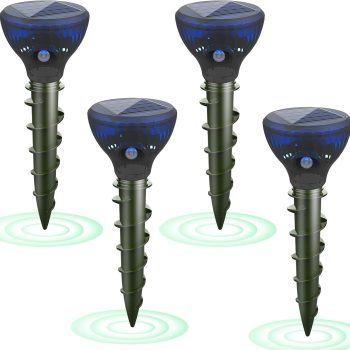
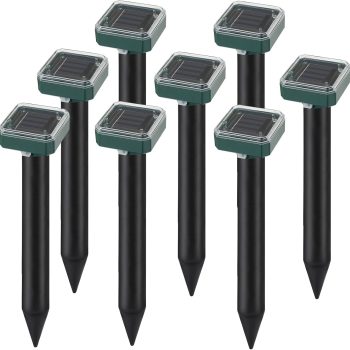
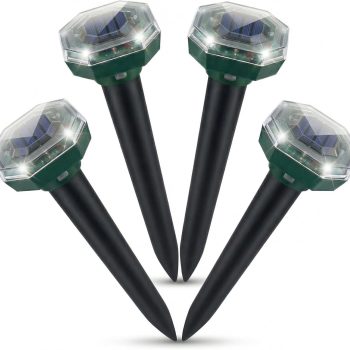
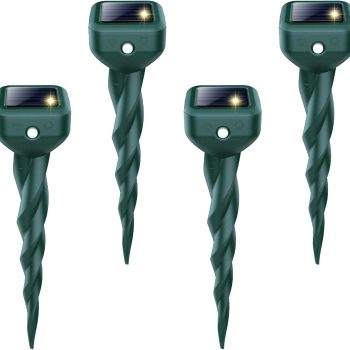

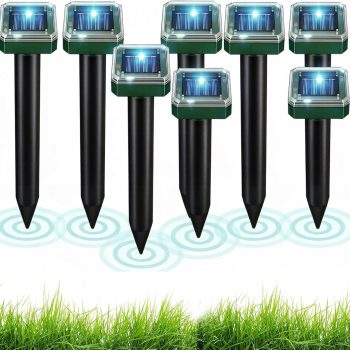
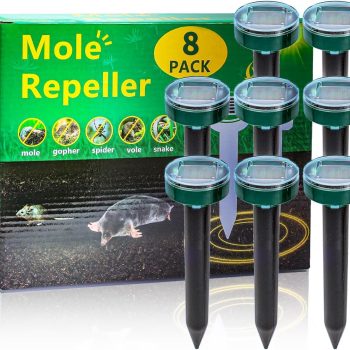
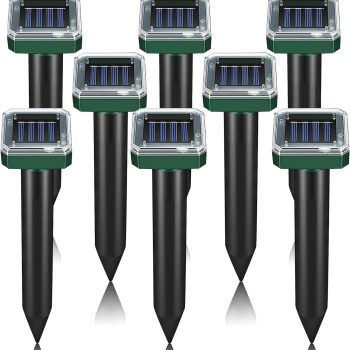
Solar Groundhog Repellent
Mole Repellent Solar Powered, Gopher, Vole, Chipmunk, Deer, Groundhog for Lawns Garden







Groundhogs can pose significant challenges for gardeners and homeowners. They munch on vegetables and flowers and even dig burrows that threaten landscaping efforts. While traditional fencing methods can be effective, an electric fence may be the most reliable solution to keep groundhogs at bay. This guide will explore how electric fences work, their benefits, installation tips, and maintenance requirements.
Electric Fence For Groundhogs – How It Works
Electric fences deter animals by delivering a mild electric shock when they attempt to cross the boundary. The shock is designed to be safe and harmless, effectively teaching the animal to avoid the area. This method relies on the principle of negative reinforcement; when an animal encounters the unpleasant sensation of the electric current, it associates the shock with the fence, deterring future attempts to breach it.
Electric fences can be particularly effective against groundhogs due to their natural curiosity and persistent behaviors. Groundhogs with impressive digging abilities might try to burrow under or climb over traditional fences. Electric fences eliminate this issue, providing a robust deterrent that prevents access altogether.
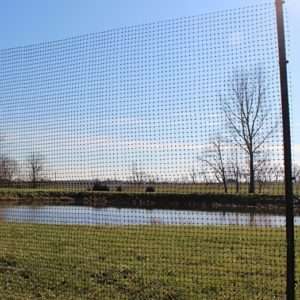
Types of Electric Fences
When choosing an electric fence, consider the different types available:
1. Portable Electric Fences: Ideal for temporary setups, portable electric fences are lightweight and easy to install. They’re great for those who want flexibility in their garden protection but may not offer as secure a barrier as permanent options.
2. Permanent Electric Fencing: This option involves more substantial materials and installation. Permanent electric fencing typically consists of sturdy posts, insulated wires, and a reliable power source. It is more durable and provides long-term protection against groundhogs and other wildlife.
3. Solar-Powered Fences: Consider a solar-powered electric fence for an eco-friendly and cost-efficient solution. These systems harness sunlight to generate electricity, making them ideal for areas without easy access to power outlets.
Installation Tips for Electric Fences
Installing an electric fence requires careful planning and execution. Here are some crucial steps to ensure effective installation:
1. Determine the Area: Before setting up your electric fence, outline the perimeter of the area you want to protect. Measure carefully to ensure you have enough fencing materials.
2. Choose the Right Height: Groundhogs are primarily ground dwellers, so a single strand of wire about 6 to 8 inches above the ground is typically adequate. However, if you’re concerned about other animals or the potential for climbing, consider adding a higher strand.
3. Select Quality Materials: Invest in high-quality electric fencing materials, including durable, insulated posts, strong wire, and a dependable energizer. Choose wire gauges (14-20 gauge) suitable for the size of the animals you wish to deter.
4. Secure Power Source: Connect your electric fence to an appropriate power source—a battery-operated energizer or a plug-in system. For solar-powered options, ensure the solar panel is positioned to receive adequate sunlight throughout the day.
5. Test the Current: Once installed, test the electric current using a voltage tester to ensure the fence is operational. It should deliver a sufficient charge to deter groundhogs while remaining safe for humans and pets.
Maintenance and Safety with Electric Fence For Groundhogs
Maintaining your electric fence is crucial for continued effectiveness. Regularly check for vegetation or debris obstructing the wall or creating a short circuit. Inspect the integrity of the wires, posts, and energizer regularly to identify any signs of wear or damage.
Safety is paramount when dealing with electric fences. Ensure signs indicating the presence of an electric fence are displayed prominently. Educate family members, especially children, about the dangers and proper interaction with the wall.