
Groundhog Deterrent Plants
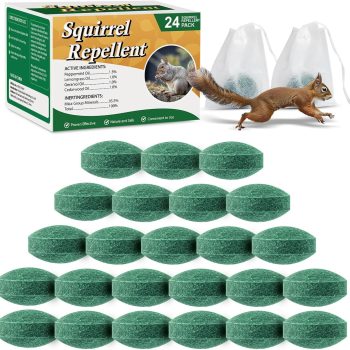
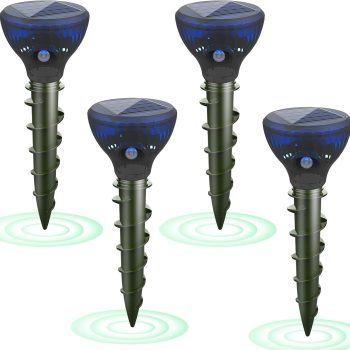
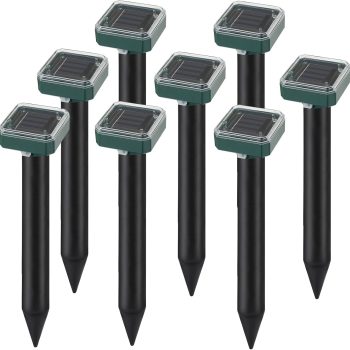
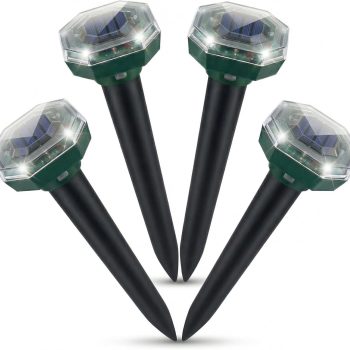
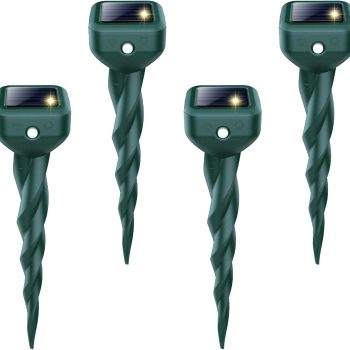

Solar Groundhog Repellent
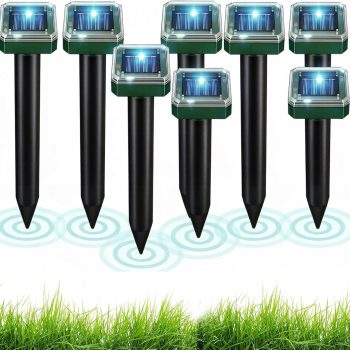
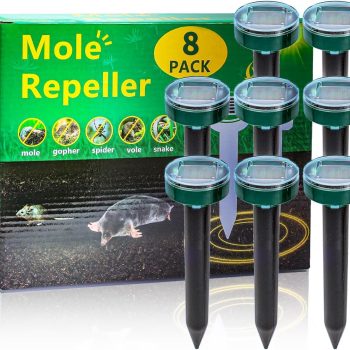
Mole Repellent Solar Powered, Gopher, Vole, Chipmunk, Deer, Groundhog for Lawns Garden


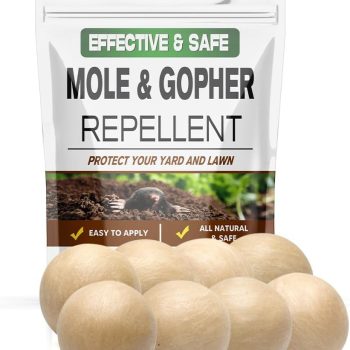

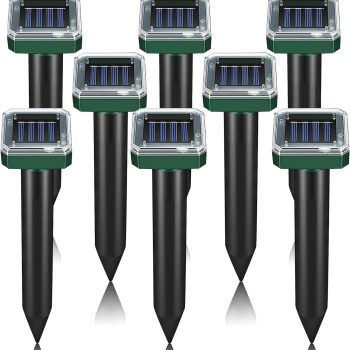


Groundhog Deterrent Plants to Protect Your Garden
Groundhogs can wreak havoc on gardens, devouring fruits, vegetables, and flowers. To keep these furry pests at bay, incorporating specific plants known for their deterrent properties offers protection and beauty to your garden. Here’s a guide to three effective groundhog deterrent plants that can help you safeguard your outdoor space.
1. Marigolds
One of the most popular choices for deterring groundhogs is marigolds. These vibrant flowers add a splash of color to your garden and emit a strong odor that many animals, including groundhogs, find unappealing. The scent of marigolds can mask the aroma of other plants, making them less attractive to hungry groundhogs. Moreover, marigolds are relatively easy to grow and thrive in various soil conditions. Plant them around the perimeter of your garden or intermixed with your vegetables and flowers to create a natural barrier against these critters.

2. Lavender
Another excellent option for deterring groundhogs is lavender. This fragrant herb provides a lovely scent for your garden and acts as a natural repellent due to its strong aroma. Groundhogs generally avoid areas where lavender is present, making it an effective deterrent. Additionally, lavender is drought-resistant and requires minimal maintenance, making it a practical choice for gardeners looking to enhance their landscape while keeping pests away. Planting lavender along pathways or near garden beds can help create an aromatic barrier that groundhogs will avoid.
3. Mint as Groundhog Deterrent Plants
Mint is another powerful deterrent plant that can help protect your garden from groundhogs. Its strong scent often overwhelms many animals, leading them to avoid areas where mint is growing. Additionally, mint is a hardy plant that spreads quickly, providing a lush, green ground cover that enhances the appearance of your garden. When planting mint, consider using containers to prevent it from overtaking other plants, as it can become invasive. Strategically placing mint around vulnerable plants can help create a natural fence that discourages groundhogs from coming too close.
In conclusion, incorporating groundhog-deterrent plants like marigolds, lavender, and mint into your garden can help protect your greenery while adding beauty and fragrance to your outdoor space. By utilizing these natural solutions, you can create an inviting environment while keeping pesky groundhogs at bay.