
Groundhog Proof Fence
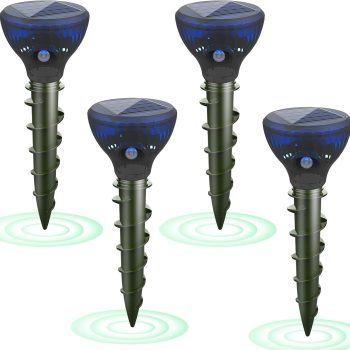
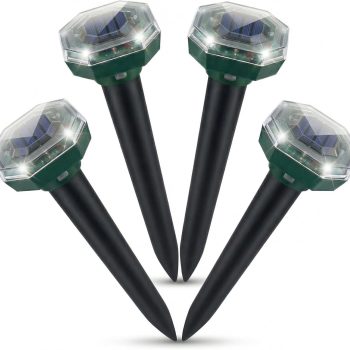
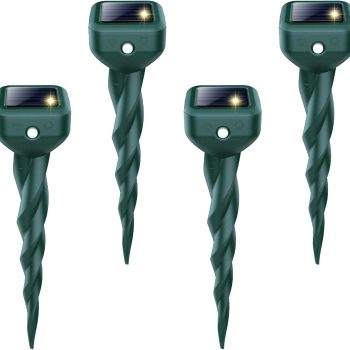

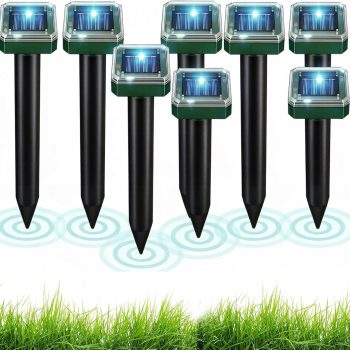
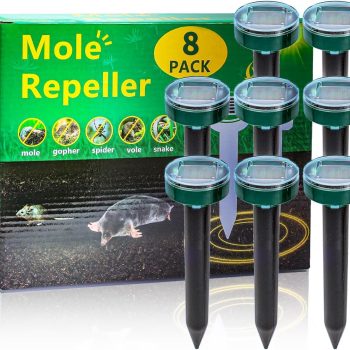
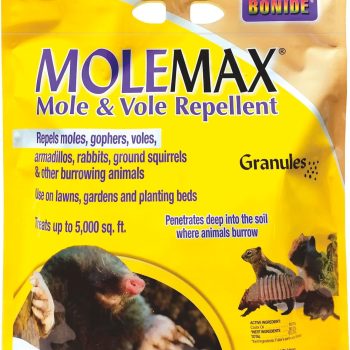
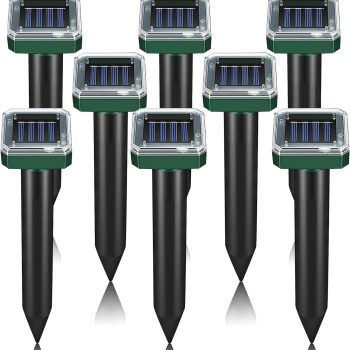
Solar Groundhog Repellent
Mole Repellent Solar Powered, Gopher, Vole, Chipmunk, Deer, Groundhog for Lawns Garden






Building a Groundhog-Proof Fence: A Comprehensive Guide
Groundhogs can cause significant damage to your garden with their burrowing and voracious appetite for plants. One effective way to protect your precious plants is by building a groundhog-proof fence. This guide outlines essential steps and considerations to ensure your fence effectively keeps these pesky critters out.
Choose the Right Materials For Groundhog Proof Fence
To start, selecting the right materials is crucial for creating an effective groundhog-proof fence. Opt for sturdy materials like welded wire or chain-link fencing that can withstand wear and tear. The fence should be at least three feet high, as groundhogs are surprisingly adept at climbing. Moreover, the mesh size of the fencing is important; aim for a wire gauge that has openings no larger than 1-2 inches to prevent groundhogs from squeezing through. Additionally, consider using pressure-treated wood or galvanized steel posts to provide strong support for the fence. These choices will ensure your fence remains durable and functional over time.

Proper Installation Techniques
Once you have gathered the materials, the next step is proper installation. Begin by digging a trench that is about 12 inches deep along the perimeter where the fence will be installed. This depth prevents groundhogs from burrowing underneath. Next, set up your fencing material, ensuring it is securely attached to the posts spaced about 6-8 feet apart. To further enhance deterrence, extend the bottom of the fence outward at a 90-degree angle, creating a horizontal barrier that discourages digging. Finally, make sure to regularly check and maintain the fence to keep it in optimal condition and free from damage.
Enhance Your Fence with Additional Measures
In addition to building a solid fence, consider enhancing its effectiveness with other measures. For instance, planting strong-smelling herbs, such as mint or lavender, around the fence perimeter can deter groundhogs. Furthermore, placing rocks or boulders at the base of the fence can create an additional barrier against digging. You might also think about adding an electric fence if groundhogs continue to breach your defenses despite your efforts.
In conclusion, building a groundhog-proof fence involves choosing the right materials, following proper installation techniques, and enhancing your fence with additional deterrents. By taking these proactive steps, you can protect your garden and enjoy a thriving outdoor space free from groundhog invasions.