
Getting Rid Of Groundhogs
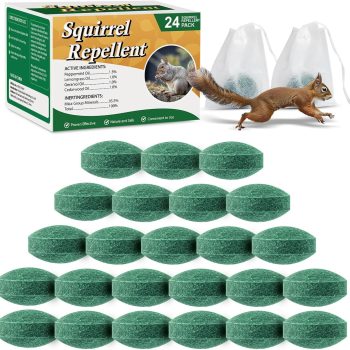
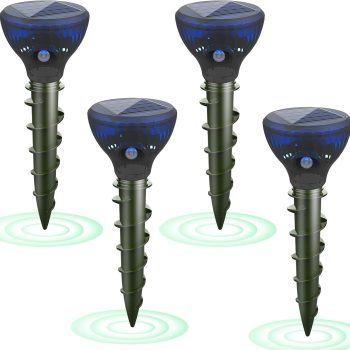
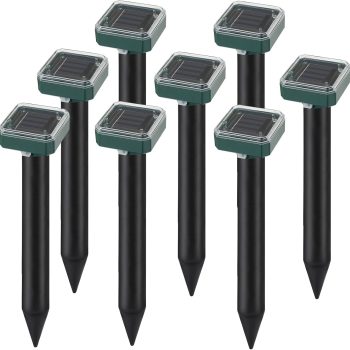
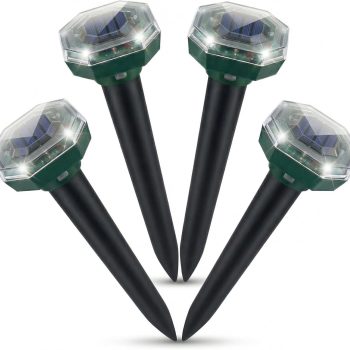
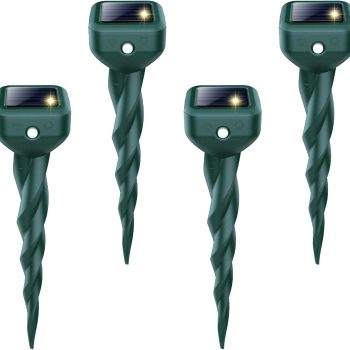

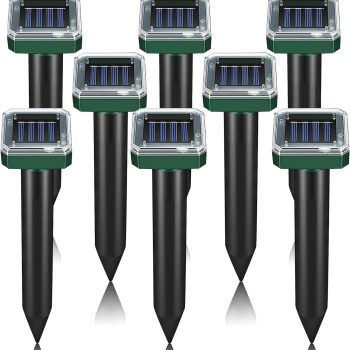
Solar Groundhog Repellent
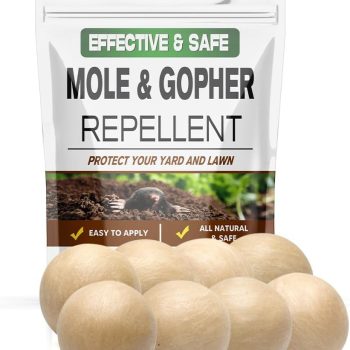
Mole Repellent Solar Powered, Gopher, Vole, Chipmunk, Deer, Groundhog for Lawns Garden
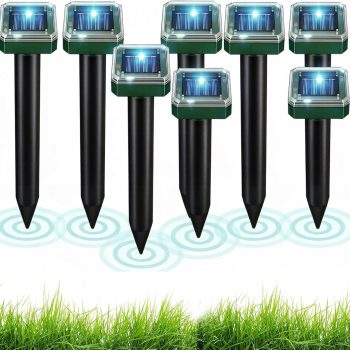

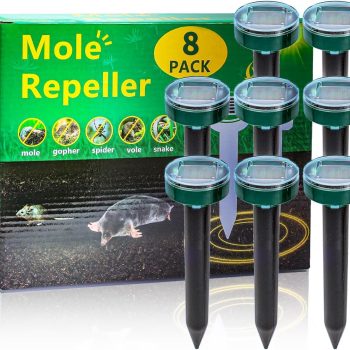
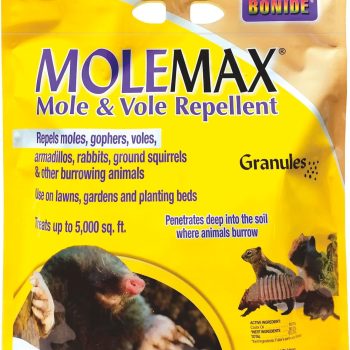




Getting Rid of Groundhogs: Effective Strategies for a Groundhog-Free Yard
Groundhogs, or woodchucks, are common garden pests that wreak havoc on your landscaping and vegetable gardens. Known for their burrowing habits and voracious appetites, these critters can quickly become a nuisance. If you’re dealing with groundhogs in your yard, taking practical and humane measures to remove them is essential. Learn about how to get rid of groundhogs safely and efficiently.
Understanding Groundhog Behavior
To successfully address a groundhog problem, it’s crucial to understand the behavior and habits of these animals. Groundhogs are primarily active during the day, especially in the early morning and late afternoon. They are herbivores, feeding on a variety of plants, including vegetables, fruits, and flowers. Their burrowing tendencies not only damage gardens and landscapes but can also compromise the integrity of structures like decks and fences.
Groundhogs typically create extensive burrow systems, with multiple entrances and tunnels underground. These caves are often located near food sources, making it necessary to identify areas where groundhogs are most active before implementing removal strategies. Recognizing signs of groundhog activity, such as fresh diggings, droppings, or chewed vegetation, will help you determine the best course of action.

Humane Removal Techniques
When removing groundhogs, humane methods should be prioritized to ensure the safety of both the animals and the environment. Here are some effective strategies:
- Trapping: One of the most widely recommended methods for removing groundhogs is trapping. Live traps are specifically designed for this purpose and allow for the safe capture and relocation of the animal.
Choose the Right Trap: To accommodate the groundhog’s size, select a sturdy live trap that is at least 32 inches long.
– Optimal Baiting: Use appealing baits such as fruits (apples, pears) or vegetables (carrots, lettuce) to lure the groundhog into the trap. Place the bait at the end of the trap to encourage full entry.
– Strategic Placement: Set the trap near active burrow entrances or areas where you’ve observed groundhog activity. Ensure the trap is stable and protected from rain to avoid disturbing the bait.
– Regular Monitoring: To minimize stress for captured animals, check the trap frequently, ideally twice daily. Once trapped, relocate the groundhog five miles away to prevent it from returning.
- Exclusion Methods: Preventing future groundhog intrusions is crucial once you’ve successfully removed the animal. Exclusion tactics include:
– Securing Potential Entrances: Close any burrows by filling them with soil or using heavy-duty wire mesh to block access. Ensure that the edges of the wire are buried at least a foot deep to prevent digging.
Fencing Solutions: Install a fence around your garden or yard that is at least 3 feet tall and buried 12 inches underground. This setup will deter groundhogs from digging under or climbing over it.
Additional Deterrents: Getting Rid Of Groundhogs
In addition to trapping and exclusion, consider incorporating the following deterrent strategies to keep groundhogs away:
- Natural Repellents: Use scents that groundhogs find unappealing, such as predator urine (available in garden supply stores) or strong-smelling herbs like garlic and hot pepper. Sprinkling these substances around your garden can effectively deter groundhogs.
- Motion-Activated Devices: Installing motion-activated sprinklers or noise-making devices can startle groundhogs when they approach, discouraging them from entering your yard.