
Groundhog Repellent Plants
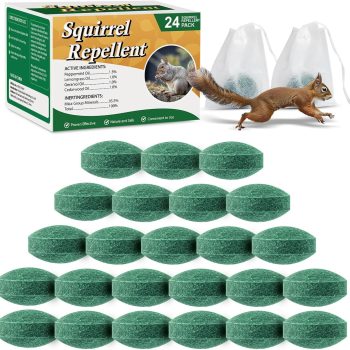
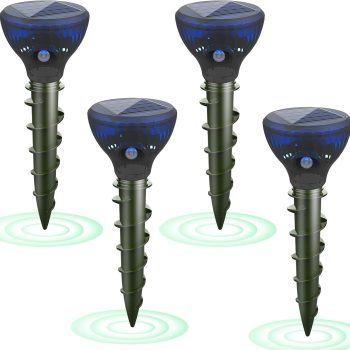
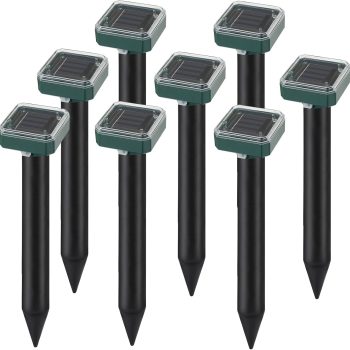
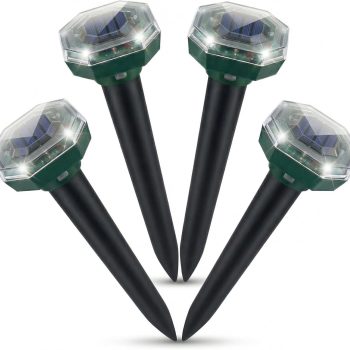
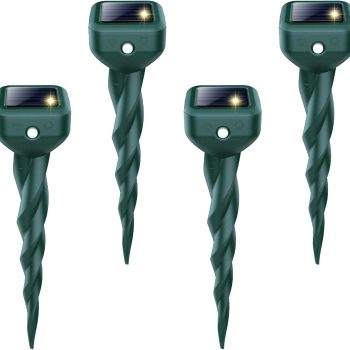

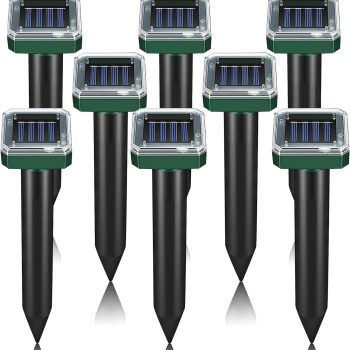
Solar Groundhog Repellent
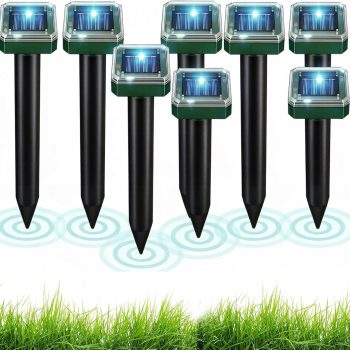
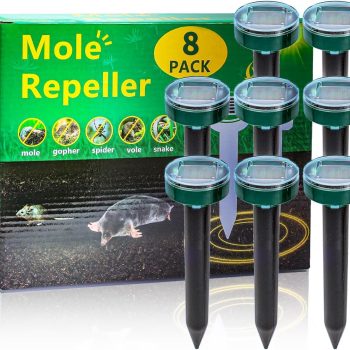
Mole Repellent Solar Powered, Gopher, Vole, Chipmunk, Deer, Groundhog for Lawns Garden





Groundhog Repellent Plants: Natural Defenses for Your Garden
Groundhogs are notorious for their ability to destroy gardens, munching on vegetables and flowers with little regard for the hard work gardeners put in. However, using specific plants that naturally repel these pests can be an effective strategy for safeguarding your garden. Here’s a look at three groundhog repellent plants that not only help protect your crops but also enhance your gardening landscape.
Mint: The Strong Scented Deterrent
First and foremost, mint is renowned for its powerful fragrance, which can effectively deter groundhogs. These rodents dislike the strong smell of mint, making it an excellent choice for planting around your garden’s perimeter. Varieties such as spearmint or peppermint are especially effective. Additionally, mint is a hardy plant that thrives in various conditions, requiring minimal care. You can grow mint in garden beds or containers, which allows you to control its vigorous spread. To maximize its repellent qualities, periodically crush the leaves; this will release more scent and further discourage groundhogs from entering your garden space.

Lavender: A Dual-Purpose Plant
In addition to mint, lavender serves as a beautiful and functional addition to any garden. Its lovely purple blooms and calming fragrance provide aesthetic appeal while acting as a natural repellent against groundhogs. The strong scent of lavender is unappealing to these pests, making it an excellent option for guarding vulnerable plants. Furthermore, lavender attracts beneficial insects like bees and butterflies, enhancing your garden’s ecosystem. Plant lavender in sunny spots with well-drained soil for optimal growth. By incorporating lavender into your landscaping, you can create a fragrant barrier that protects your plants while simultaneously contributing to a lively garden environment.
Marigolds: Color and Defense
Lastly, marigolds are another effective deterrent against groundhogs, thanks to their distinctive aroma. These vibrant flowers emit a scent that many animals, including groundhogs, find unpleasant. Planting marigolds around the perimeter of your garden or interspersing them among your vegetables can help create a natural barrier. Not only do marigolds deter groundhogs, but they also attract beneficial insects that assist with pollination and pest control. They are easy to grow and require minimal maintenance, making them an ideal choice for any gardener looking to add colorful yet functional plants to their space.
In conclusion, incorporating groundhog repellent plants like mint, lavender, and marigolds into your garden offers a natural and effective way to protect your plants. By utilizing these strategies, you can enjoy a thriving garden while keeping pesky groundhogs at bay.