
Getting Rid Of Groundhogs Ammonia
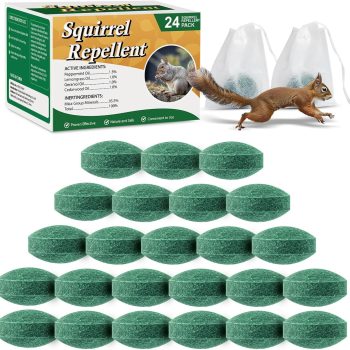
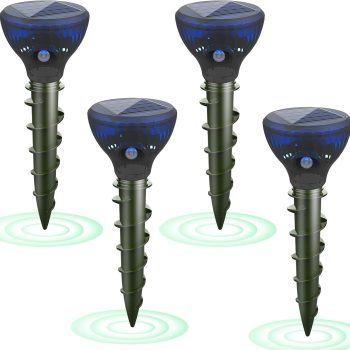
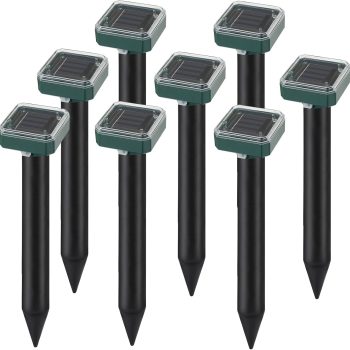
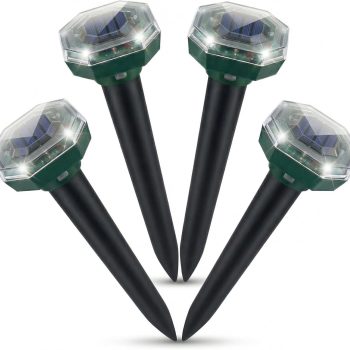
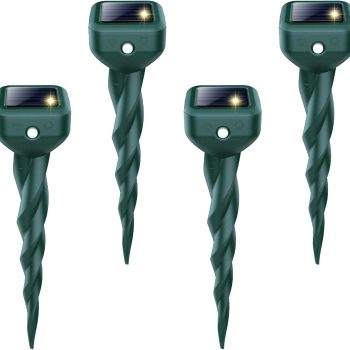

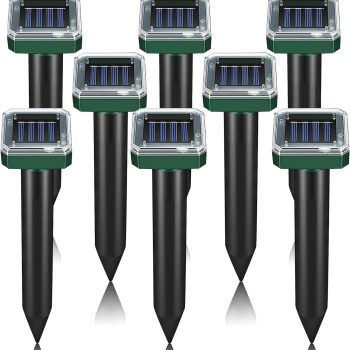
Solar Groundhog Repellent
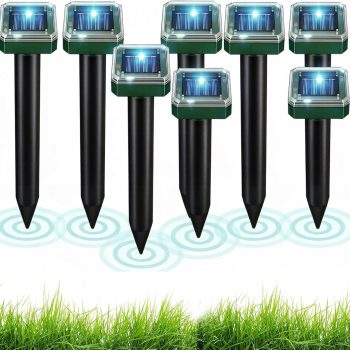
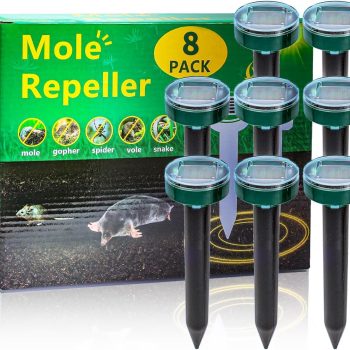
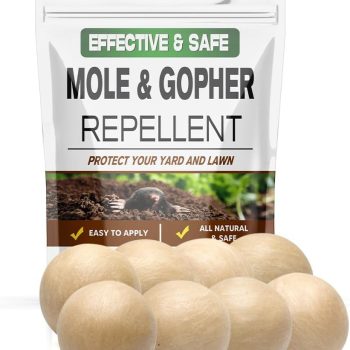
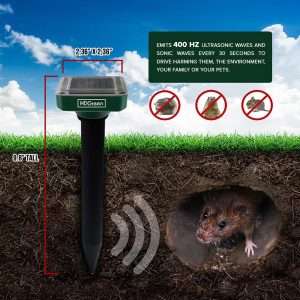
Mole Repellent Solar Powered, Gopher, Vole, Chipmunk, Deer, Groundhog for Lawns Garden





Getting Rid of Groundhogs Using Ammonia: A Comprehensive Guide
Groundhogs are notorious for their ability to wreak havoc on gardens and landscapes, munching through vegetables and flowers while digging extensive burrows. While many methods exist to deter these furry nuisances, using ammonia is a popular and effective solution to keep groundhogs at bay. Let’s explore how to effectively use ammonia for groundhog removal, its benefits, and additional deterrent strategies.
Understanding the Effectiveness of Ammonia
Ammonia is a colorless gas with a strong odor often used in household cleaning products. When applied strategically, it can serve as a potent deterrent for groundhogs. Ammonia works because of its strong smell, which is unpleasant to many animals, including groundhogs.
Groundhogs have a keen sense of smell, and the pungent odor of ammonia can irritate their nasal passages, making areas treated with this substance uninviting. Additionally, ammonia mimics the scent of predators’ urine, reinforcing that the area is unsafe for groundhogs. It’s crucial, however, to use ammonia responsibly and follow safety guidelines, especially if you have pets or children around.
How to Use Ammonia for Groundhog Deterrence
Ammonia can be effective when used correctly to get rid of groundhogs. Here are some practical steps to follow:
1. Prepare the Solution: Mix ammonia with water in a spray bottle. A common ratio is one part ammonia and two parts water. This dilution helps reduce the intensity of the scent while still maintaining its effectiveness against groundhogs.
2. Identify Target Areas: Before applying the ammonia solution, identify the areas where you’ve noticed groundhog activity. Look for signs such as burrow openings, droppings, and chewed plants. Focus your treatment efforts on these hotspots.
3. Application Method: Spray the diluted ammonia solution around the burrow entrances, over trails leading to gardens, and along the perimeter of your yard. This creates a barrier that groundhogs are likely to avoid. Be sure to reapply the solution after rain or heavy watering, as the smell may dissipate over time.
4. Monitor Groundhog Activity: After applying ammonia, observe the area for any signs of continued groundhog activity. If they continue to appear, consider reapplying the solution or employing additional deterrent measures.
Additional Strategies for Getting Rid Of Groundhogs Ammonia
While ammonia can be an effective solution, it’s often best used with other methods for comprehensive groundhog management. Here are a few additional strategies to consider:
1. Physical Barriers: Creating physical barriers can deter groundhogs from entering your garden. Fencing can be particularly effective if installed correctly. Use sturdy materials at least 3 feet high and bury the bottom 12 inches underground to prevent digging.
2. Natural Repellents: Besides ammonia, consider using other natural repellents. Strong-smelling substances like cayenne pepper, garlic, or predator urine can enhance your effort to keep groundhogs away.
3. Trapping: Trapping may be necessary if groundhogs persist despite deterrents. Live traps can be purchased at hardware stores and baited with appealing foods like fruits or vegetables. Once trapped, groundhogs should be relocated at least five miles away to prevent them from returning.
4. Garden Maintenance: Keeping your garden tidy can help reduce its attraction to groundhogs. Remove fallen fruits and vegetables and maintain clear pathways to make the area less inviting.