
Groundhog Pest Control
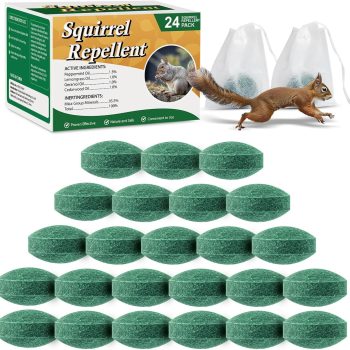
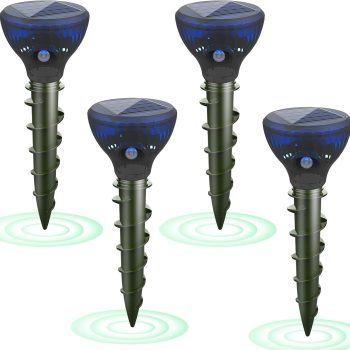
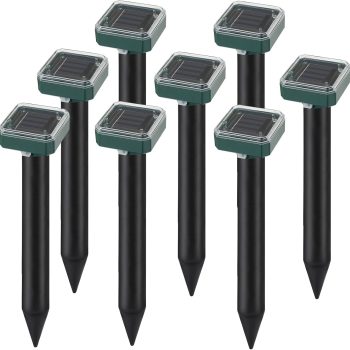
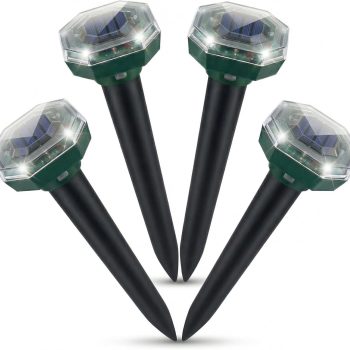
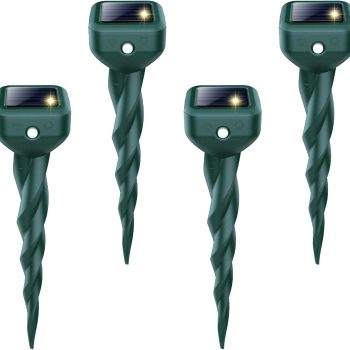

Solar Groundhog Repellent
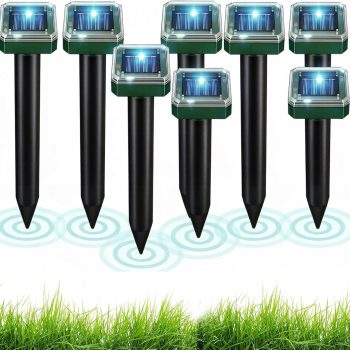
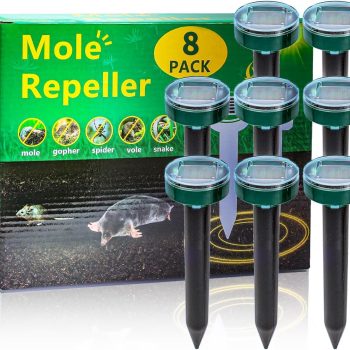
Mole Repellent Solar Powered, Gopher, Vole, Chipmunk, Deer, Groundhog for Lawns Garden


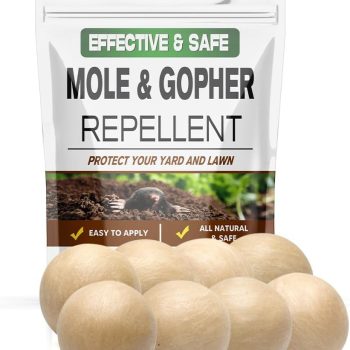

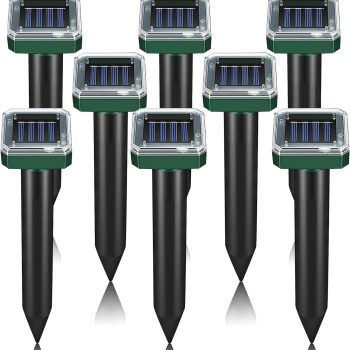


Groundhog Pest Control: Effective Strategies for Your Garden
Groundhogs, also known as woodchucks, can become a significant pest control challenge for gardeners. Their burrowing habits and appetites for vegetables and flowers can lead to frustration and wasted efforts. However, with the right strategies, you can effectively manage these pests and protect your garden. Here are three effective methods for groundhog pest control.
Identify and Monitor Groundhog Activity
The first step in effective groundhog pest control is to identify and monitor their activity. Look for signs of groundhogs, such as burrows that typically measure about 10-12 inches in diameter. Freshly disturbed soil around the entrance indicates recent use. Additionally, chewed plants—especially tender greens, carrots, and root vegetables—can signal their presence. Groundhog droppings, which appear as small, cylindrical pellets, serve as another indicator of infestation. By regularly monitoring your garden for these signs, you can determine the best time to take action against these pesky intruders.
Use Preventative Measures
After identifying groundhog activity, it’s essential to implement preventative measures to deter them from entering your garden. Start by removing any potential food sources, such as fallen fruit or easily accessible vegetables. Next, consider adding strong-smelling deterrent plants like mint, lavender, and marigolds. These can create an aromatic barrier, making your garden less attractive to groundhogs. Additionally, installing a sturdy fence can be highly effective. Ensure the fence is at least three feet high and buried 12 inches underground to prevent groundhogs from digging beneath it. Angling the top of the fence outward can further discourage climbing attempts.
Implement Trapping and Relocation For Groundhog Pest Control
If preventative measures do not succeed, humane trapping can be an effective solution for groundhog pest control. Purchase a live trap designed specifically for groundhogs and place it near their burrows or areas of frequent activity. Bait the trap with fresh fruits or vegetables, such as apples or carrots, to attract them. Regularly check the trap to ensure captured groundhogs can be relocated promptly, following local wildlife regulations. After trapping, fill in any burrows to prevent new groundhogs from moving in.
In conclusion, groundhog pest control involves identifying their activity, using preventative measures, and employing humane trapping techniques. By taking these proactive steps, you can protect your garden and enjoy a thriving outdoor space free from groundhog disturbances.