
Get Rid Of Groundhog Under Deck
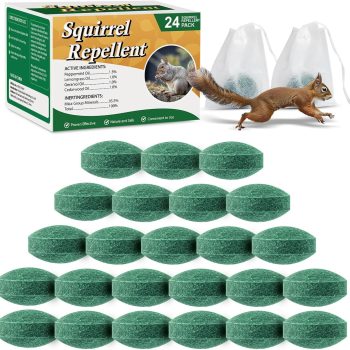
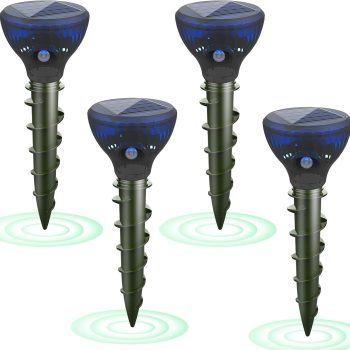
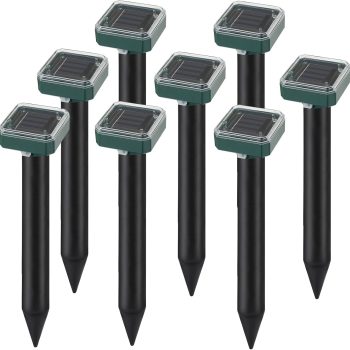
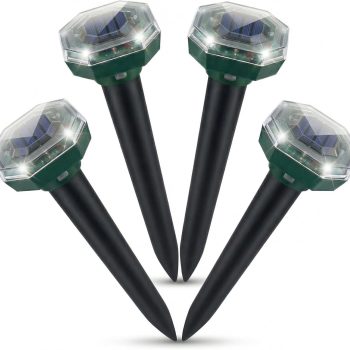
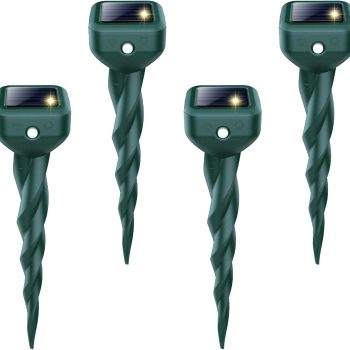

Solar Groundhog Repellent
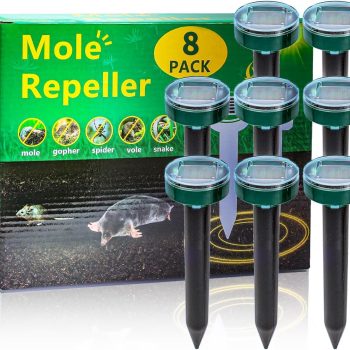
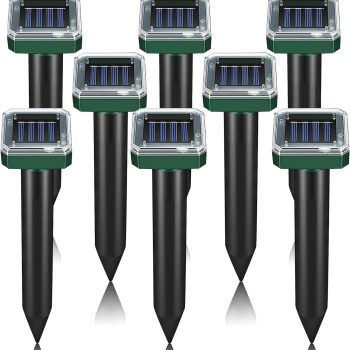
Mole Repellent Solar Powered, Gopher, Vole, Chipmunk, Deer, Groundhog for Lawns Garden








Get Rid of Groundhog Under Deck: Effective Strategies for Removal
Groundhogs can be charming creatures in the wild, but when they decide to make their home under your deck, they can cause significant problems. Their burrowing habits can undermine the foundation of your deck, leading to structural issues over time. If you find yourself with a groundhog under your deck, it’s essential to take action. Here’s a comprehensive guide on safely and effectively removing groundhogs from beneath your deck.
Understanding Groundhog Behavior
Before attempting to remove a groundhog, it’s crucial to understand its behavior and habits. Groundhogs, also known as woodchucks, are primarily diurnal, meaning they are most active during the day. They are excellent diggers and usually create extensive, deep, and complex burrow systems. Groundhogs often seek sheltered areas, like the space under decks, for protection from predators and harsh weather.
To successfully evict a groundhog, it is vital to note its activity patterns. Observe for signs such as fresh digging, droppings, or even visible entrances to their burrows. Knowing when the groundhog is most active will allow you to plan your removal efforts better.
Humane Removal Techniques to Get Rid Of Groundhog Under Deck
When it comes to getting rid of a groundhog under your deck, humane removal techniques should always be prioritized. Here are some effective strategies:
- Trapping: One of the most influential and humane ways to remove a groundhog is trapping. Purchase a live trap explicitly designed for groundhogs, which typically measures at least 32 inches long. Here’s how to proceed:
– Choose Bait Wisely: Use appealing food as bait—fruits like apples, peaches, or vegetables like carrots work well. Place the bait at the back of the trap to encourage the animal to enter fully.
– Set the Trap: Position the trap near the entrance to the burrow or under the deck where you’ve noticed activity. Ensure the trap is stable and secure to prevent it from tipping.
– Monitor Regularly: Check the trap frequently—at least twice daily. This will ensure that any trapped animals do not experience undue stress.
– Relocate Safely: Once trapped, relocate the groundhog at least five miles from your home to prevent it from returning. Be sure to comply with local wildlife regulations regarding relocation practices.
- Exclusion: After removing the groundhog, preventing future intrusions is essential. Here are some exclusion techniques:
Seal Entrances: Once you are confident that the groundhog has been removed, seal any entrances to the burrow using materials like heavy-duty wire mesh or hardware cloth. Bury the edges at least 12 inches deep to discourage re-entry.
– Fencing: Consider installing a fence around the perimeter of your deck. The wall should be at least 3 feet high and buried about a foot underground to prevent groundhogs from digging underneath.
Additional Deterrents
Apart from trapping and exclusion, additional deterrents can help keep groundhogs away from your property:
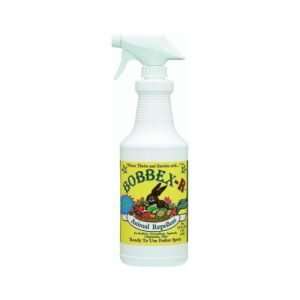
- Natural Repellents: Certain scents can deter groundhogs from approaching your deck. Consider using predator urine (such as coyote or fox), which is available at garden supply stores. Sprinkle it around the perimeter of the area to create an unwelcoming environment.
- Motion-Activated Sprinklers: These devices can startle groundhogs if they approach, making them less likely to return.
- Food Sources: Eliminate potential food sources that may attract groundhogs to your yard. Secure trash bins, remove fallen fruit from trees and maintain your garden by harvesting vegetables promptly.