
Homemade Groundhog Repellent
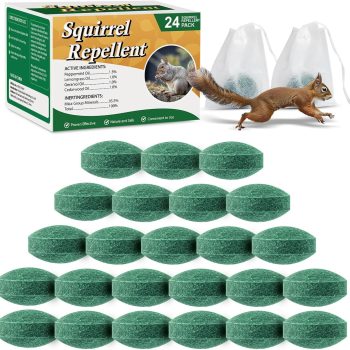
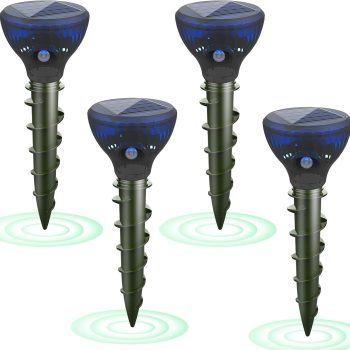
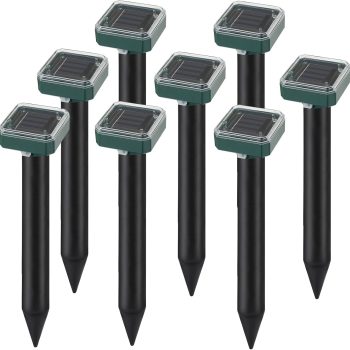
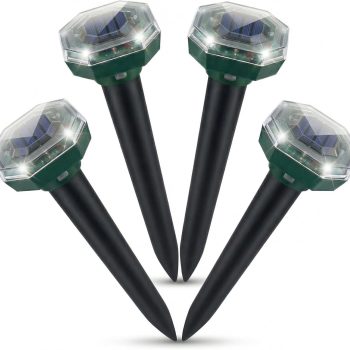
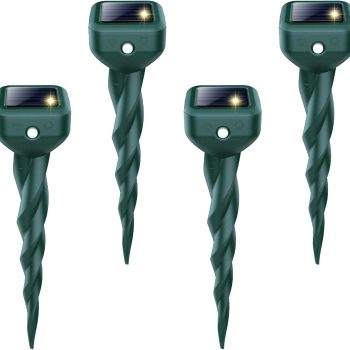

Solar Groundhog Repellent
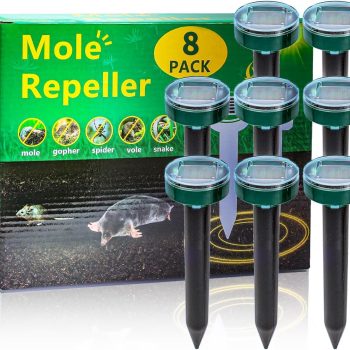
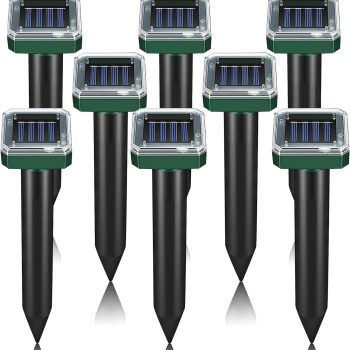
Mole Repellent Solar Powered, Gopher, Vole, Chipmunk, Deer, Groundhog for Lawns Garden






Understanding Groundhogs and Their Threat For Homemade Groundhog Repellent
Groundhogs, also known as woodchucks, pose a significant threat to gardens. These burrowing mammals, if left unchecked, can wreak havoc on various plants, causing substantial damage to crops and landscapes. Their invasion can swiftly decimate vegetable patches, flower beds, and other cherished plants. Therefore, finding effective methods to deter groundhogs is not just important, but urgent for maintaining a healthy garden. Homemade groundhog repellents provide a safe and eco-friendly solution to this pressing issue.

Effective Ingredients in Homemade Repellents
Household ingredients can be surprisingly effective in creating your own groundhog repellent. For instance, cayenne pepper, a common spice, can be a potent deterrent. By mixing two tablespoons of cayenne pepper with a quart of water and adding a few drops of dish soap, you can create a spicy solution that groundhogs find unbearable. This is just one example of the many versatile and effective homemade repellents you can make.
Another powerful ingredient is garlic. Groundhogs dislike strong scents, making garlic an excellent deterrent. To create a garlic repellent, crush several cloves and mix them with water. Allow this mixture to sit overnight, then strain it and use the liquid as a spray. Applying garlic repellent near potential entrances will discourage groundhogs from approaching your garden.
Additionally, consider using vinegar as a repellent. The pungent odor effectively wards off groundhogs. Pour vinegar directly into areas where you notice their activity, or mix it with water for a broader application.
Application Tips for Maximum Effectiveness – Homemade Groundhog Repellent
To maximize the effectiveness of your homemade groundhog repellents, apply them consistently. Begin by spraying the chosen repellent around the perimeter of your garden and near any burrows. Regularly reapply the solution, especially after rain, to maintain its potency.
Moreover, it combines repellents with other deterrent strategies for increased success. For example, installing physical barriers like fences or planting strong-smelling herbs such as mint or lavender can reinforce your repelling efforts. By adopting these homemade solutions and complementary tactics, you can protect your garden from groundhogs and enjoy a thriving outdoor space.