
Groundhog Fence
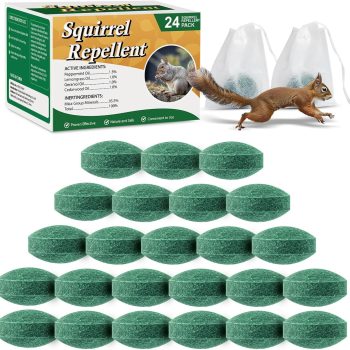
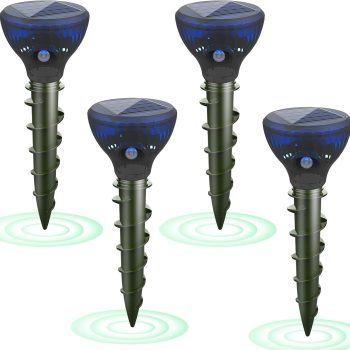
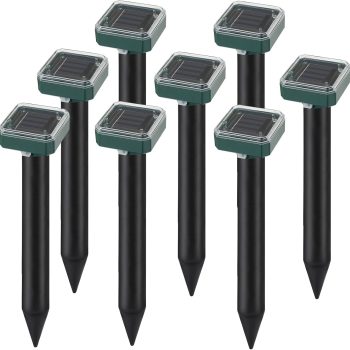
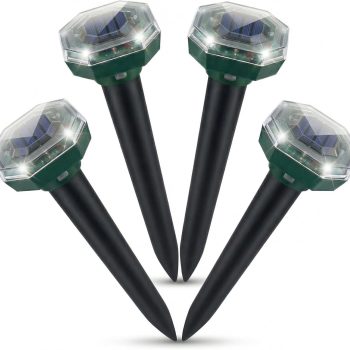
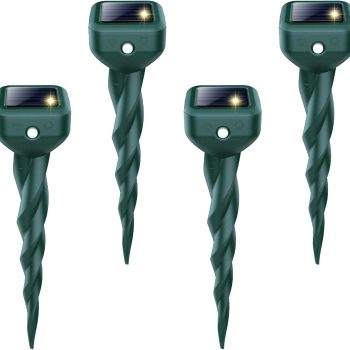

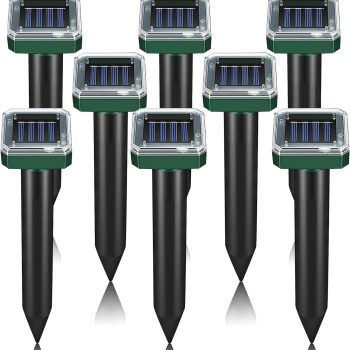
Solar Groundhog Repellent
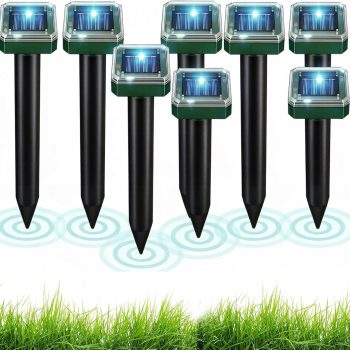
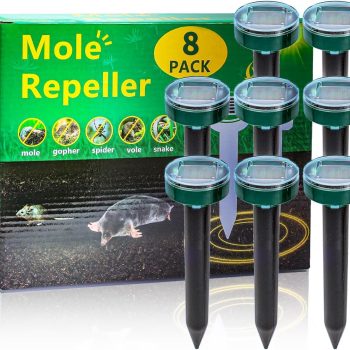
Mole Repellent Solar Powered, Gopher, Vole, Chipmunk, Deer, Groundhog for Lawns Garden






Installing a Groundhog Fence
Groundhogs can be a gardener’s worst enemy, often causing extensive damage to beautifully tended gardens and landscapes. Installing a groundhog fence is one of the most effective ways to protect your plants from these burrowing pests. Here’s a detailed guide to help you build an efficient groundhog fence that keeps unwanted guests out.
Choosing the Right Materials for Fence
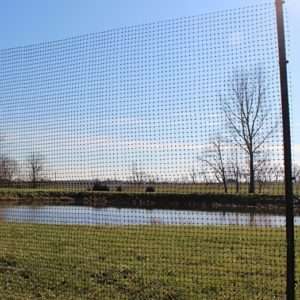
Choosing suitable materials is the first step in building a successful groundhog fence. A sturdy fence must consist of durable materials like welded wire or chain-link fencing. To effectively deter groundhogs, ensure the fence stands at least three feet tall, as these animals can surprisingly climb well. For added effectiveness, opt for fencing with a mesh size small enough to prevent groundhogs from squeezing through—1-2 inches is ideal. Additionally, using pressure-treated wood or galvanized steel posts will securely support the fence. These robust materials withstand harsh weather conditions and provide long-lasting protection.
Proper Installation Techniques
Proper installation is essential to ensure your groundhog fence functions effectively. Begin by digging a 10-12 inches deep trench along the perimeter where the wall will be installed. This depth will deter groundhogs from burrowing underneath. Next, attach the fencing material to sturdy posts spaced approximately 6-8 feet apart, ensuring it remains taut. To secure the bottom of the fence further, bend the bottom 12 inches of the fencing outward at a 90-degree angle, forming an “L” shape that extends into the ground. This design prevents groundhogs from digging under the fence and encourages them to retreat when they encounter the barrier.
Maintenance and Monitoring Groundhog Fence
Once your groundhog fence is installed, regular maintenance is crucial to ensure its continued effectiveness. Periodically inspect the wall for any signs of wear, damage, or gaps that may have developed over time. Pay close attention to areas near the ground where burrowing could occur. If you notice any openings, repair them immediately to maintain the fence’s integrity. Additionally, monitor the garden for any signs of groundhog activity. Keeping your yard tidy by removing food sources and debris will also help minimize attracting groundhogs.
Lastly, a well-constructed groundhog fence is a reliable solution to protect your garden from these pesky animals. You can enjoy a thriving garden free from groundhog damage by choosing durable materials, employing proper installation techniques, and conducting routine maintenance.