
How To Get Groundhogs Out Of Your Yard
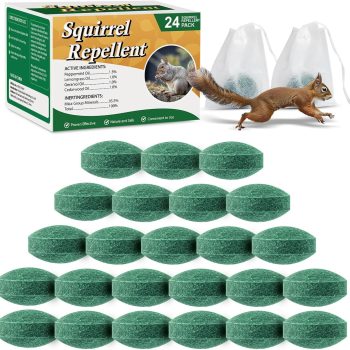
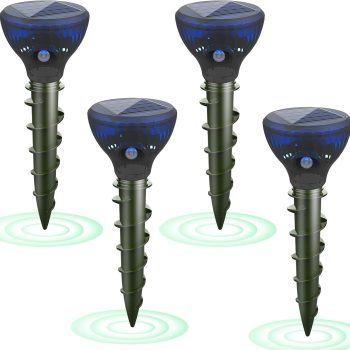
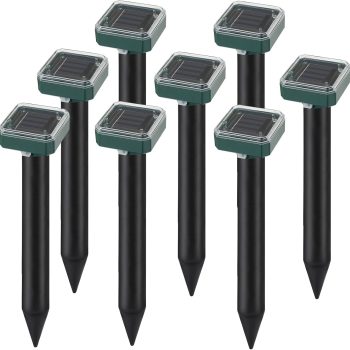
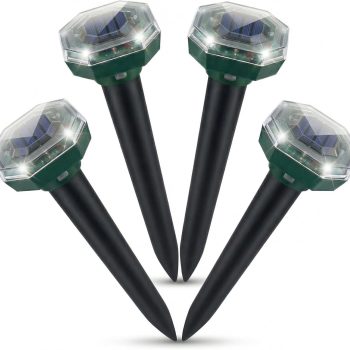
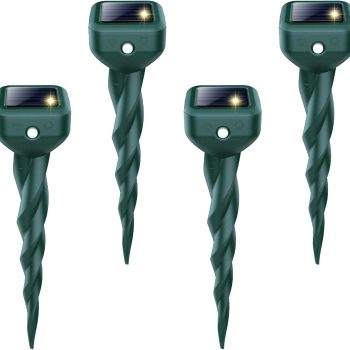

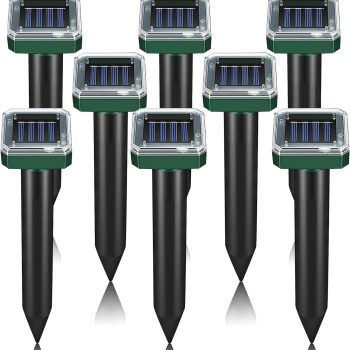
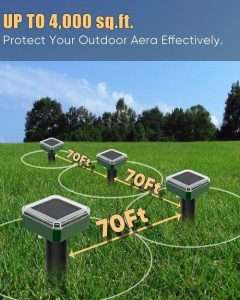
Solar Groundhog Repellent
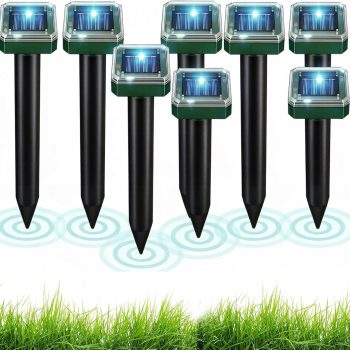
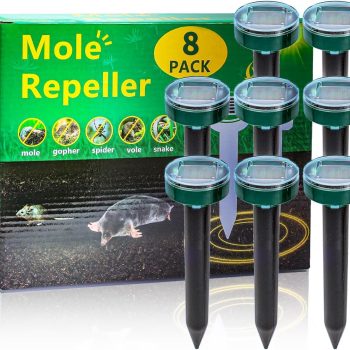
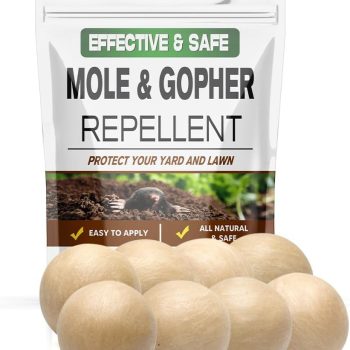
Mole Repellent Solar Powered, Gopher, Vole, Chipmunk, Deer, Groundhog for Lawns Garden





Understand Groundhog Behavior
Understanding the behavior and habits of groundhogs, also known as woodchucks, is a crucial step in reclaiming your yard. These primarily herbivorous creatures have a penchant for various plants, including your beloved vegetables and flowers. They tend to create burrows in grassy areas or gardens, seeking safety from predators. By observing their activity patterns, which usually peak in the early morning and late afternoon, you can gain a sense of control. Look for signs of their presence, such as fresh droppings, chewed vegetation, or visible burrow entrances. Recognizing these signs will empower you to devise an effective plan to deter them.
Create Physical Barriers
Once you identify groundhog activity in your yard, focus on creating physical barriers to prevent them from returning. Start by installing a sturdy fence around your garden or yard. Ensure your fence stands at least three feet tall and buries the bottom 12 inches underground to stop groundhogs from digging underneath. This barrier can effectively keep them out while protecting your plants.
In addition to fencing, consider using raised garden beds. Raised beds make it more challenging for groundhogs to access your plants and improve drainage and soil quality. To guard against groundhog attacks, cover vulnerable plants with protective mesh or row covers during their early growth stages. These measures significantly reduce the likelihood that groundhogs will feast on your garden.
Utilize Natural Deterrents and Traps
Consider using natural deterrents and traps if groundhogs persist despite your preventive measures. Start by applying strong-smelling substances around your yard. Garlic powder, cayenne pepper, and vinegar can deter groundhogs when sprinkled near plants or around burrow entrances. Additionally, creating noise can help; gently banging pots together or using an air horn may startle groundhogs and encourage them to leave.
If these methods don’t work, use live traps to capture and relocate any persistent groundhogs. Set the traps near their burrows and bait them with fresh fruits or vegetables. After capturing a groundhog, relocate it five miles away to ensure it does not return. Combining these strategies lets you get groundhogs out of your yard and protect your garden from further damage.