
Ways To Get Rid Of Groundhogs
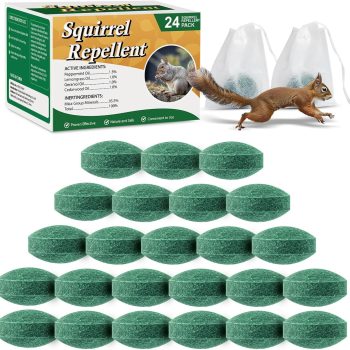
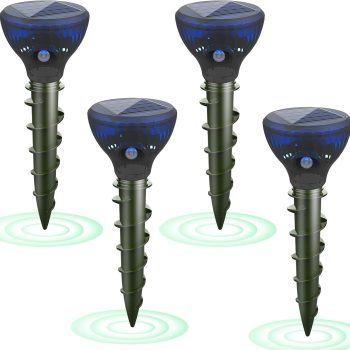
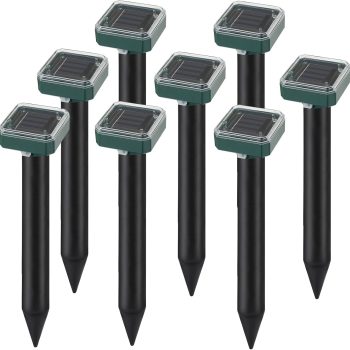
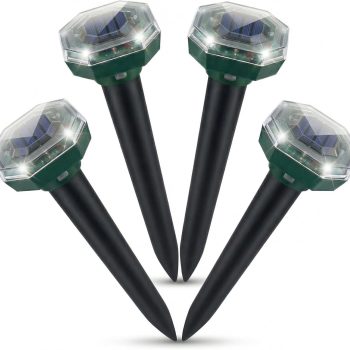
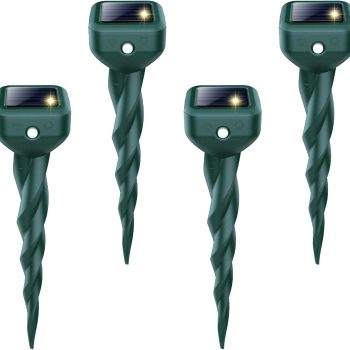

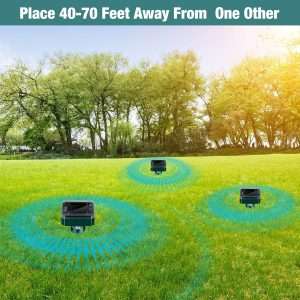
Solar Groundhog Repellent
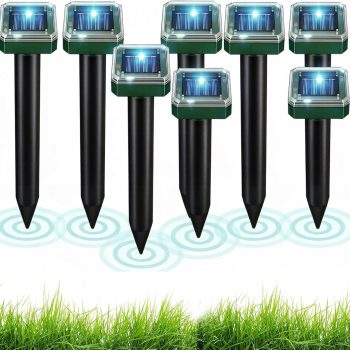
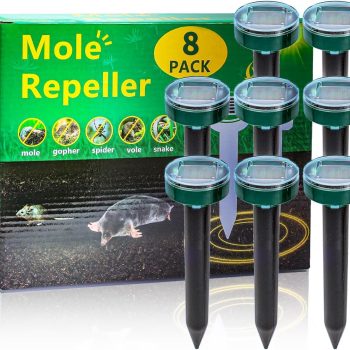
Mole Repellent Solar Powered, Gopher, Vole, Chipmunk, Deer, Groundhog for Lawns Garden


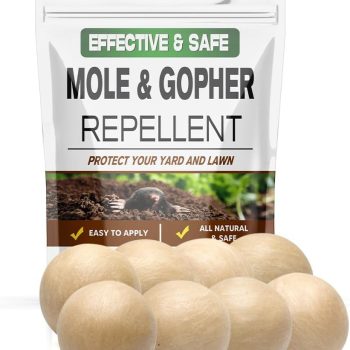

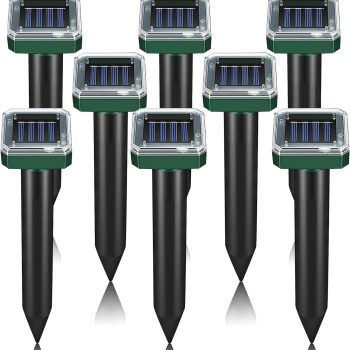


Effective Ways to Get Rid of Groundhogs
Groundhogs, also known as woodchucks, can cause significant damage to gardens and landscapes. Fortunately, there are several effective and humane ways to get rid of groundhogs and protect your property. By combining these strategies, you can reclaim your outdoor space.
Install Barriers and Fencing
One of the best ways to prevent groundhogs from entering your property is by installing physical barriers. A sturdy fence made of chicken wire or hardware cloth, at least 3-4 feet high and buried 12 inches underground, can stop groundhogs from digging underneath or climbing over. Adding an outward curve at the top of the fence further deters their climbing efforts.
Use Natural Repellents
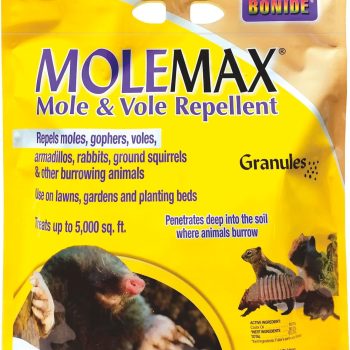
Natural repellents such as garlic, cayenne pepper, or castor oil are excellent for discouraging groundhogs. These substances create unpleasant smells or tastes that groundhogs avoid. Apply them around your garden or on plants that are frequently targeted. Be sure to reapply after rain to maintain their effectiveness.
Set Up Motion-Activated Deterrents
Motion-activated sprinklers or lights are an effective way to scare groundhogs away. When a groundhog approaches, these devices activate, startling them with sudden water sprays or bright lights. Over time, groundhogs learn to associate your yard with discomfort, prompting them to leave the area.
Eliminate Attractants
Groundhogs are drawn to areas with food and shelter. Keep your garden tidy by removing fallen fruits, vegetables, and thick vegetation. Block access to burrows or potential hiding spots to make your property less appealing. A clean and open environment discourages groundhogs from staying.
Combine Methods for Best Results
To get rid of groundhogs effectively, use a combination of these methods. By installing barriers, using repellents, and managing your garden’s environment, you can protect your property while ensuring a humane solution to the problem.