
How To Deter Groundhogs
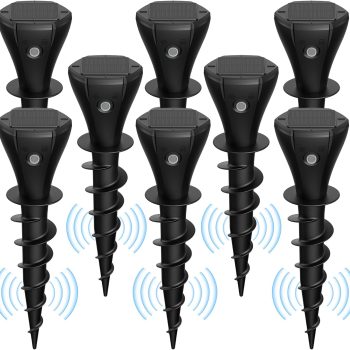
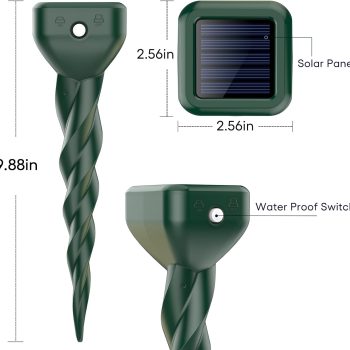
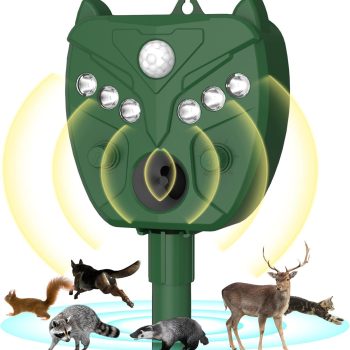
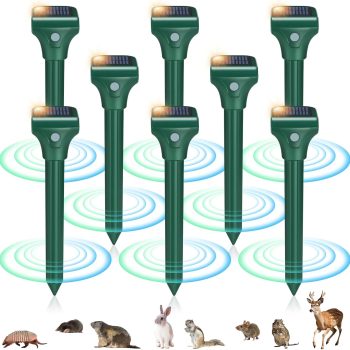
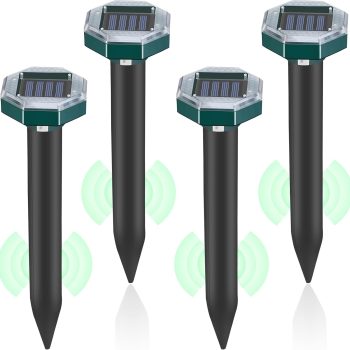
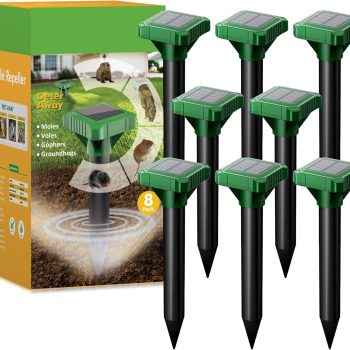
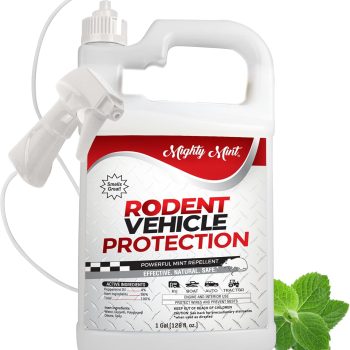



Solar Groundhog Repellent
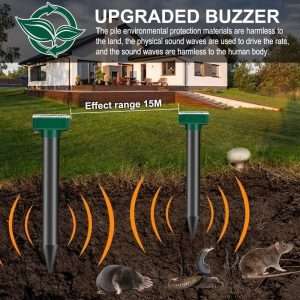
Mole Repellent Solar Powered 8 Pack, Ultrasonic Gopher Repeller IP65 Waterproof, Repels Moles
Understand Groundhog Behavior
To effectively deter groundhogs, start by understanding their behavior and preferences. Groundhogs, also known as woodchucks, are primarily herbivores and enjoy feasting on a wide variety of plants, including vegetables, flowers, and fruits. They typically create burrows near gardens or yards, where they feel safe and can easily access food sources. By recognizing the signs of groundhog activity, such as chewed plants and burrow entrances, you can take proactive steps to prevent them from invading your space.
Implement Physical Barriers
After identifying groundhog activity in your area, implement physical barriers to keep them away. Begin by installing a sturdy fence around your garden or yard. Ensure the wall stands at least three feet high and extends 12 inches below ground level to prevent digging. This barrier will make it challenging for groundhogs to access your plants. Additionally, consider using raised garden beds, which provide extra protection and make it harder for them to reach your crops.
Furthermore, landscape design can play a significant role in deterring groundhogs. Avoid planting their favorite foods, such as clover or dandelions, close to your garden. Instead, plant herbs like mint or rosemary, which can repel these pests with their strong scents. By creating a less inviting environment, you will significantly reduce groundhogs’ interest in your yard.
Use Repellents and Traps
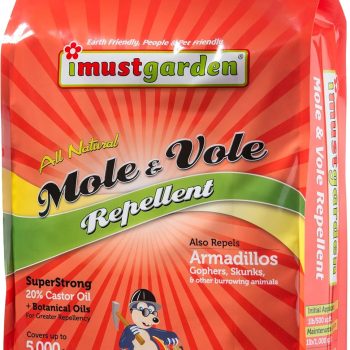
If groundhogs persist despite your preventive measures, consider using repellents and traps to manage their presence. Natural repellents like garlic powder or cayenne pepper can deter groundhogs when sprinkled around your garden. You can also purchase commercial repellents that contain predator urine to create an impression of danger, further discouraging them from entering your space.
Additionally, setting live traps provides a humane way to capture and relocate groundhogs. Place traps near burrows and use attractive bait, such as fresh fruits or vegetables. Check the traps regularly to ensure the safety of the captured animals. Once you capture a groundhog, relocate it at least five miles away to prevent its return. By combining these strategies, you can effectively deter groundhogs and protect your garden from damage.