
How To Deter Groundhogs From Eating Plants
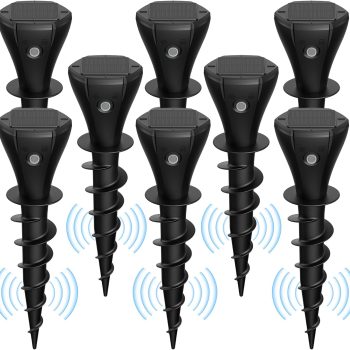
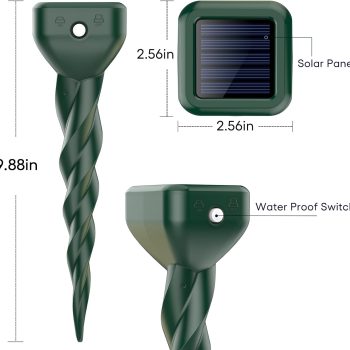
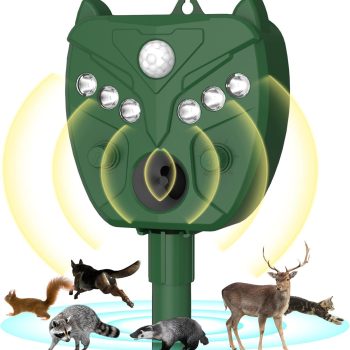
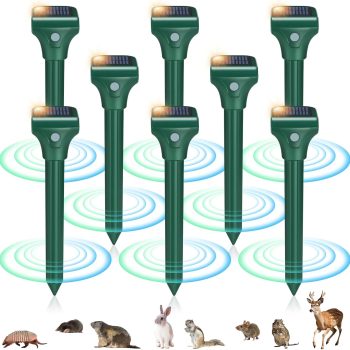
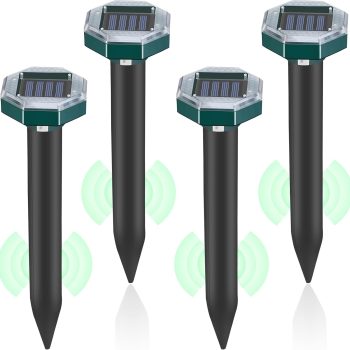
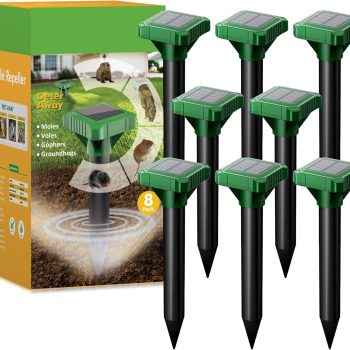


Solar Groundhog Repellent
Mole Repellent Solar Powered 8 Pack, Ultrasonic Gopher Repeller IP65 Waterproof, Repels Moles
How To Deter Groundhogs From Eating Plants: Understand Groundhog Preferences
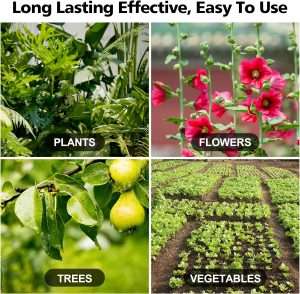
First, understand their dietary preferences and behavior to deter groundhogs from eating your plants. Groundhogs are herbivores that enjoy a variety of plants, including vegetables, flowers, and fruit. They particularly favor tender greens like lettuce, peas, and young seedlings. You can take specific steps to protect your garden by recognizing their eating habits. For instance, if you notice groundhogs munching on your crops, identify which plants they target the most and develop strategies to safeguard them.
Create Physical Barriers
After understanding groundhog preferences, focus on creating practical physical barriers around your plants. A sturdy fence, standing at least three feet high and buried about 12 inches underground, provides a secure first line of defense. This barrier will discourage groundhogs from entering your garden and accessing your precious plants, giving you a sense of security.
In addition to fences, consider using row covers or netting. These materials can protect individual plants while allowing sunlight and water to reach them. Such coverings can deter groundhogs from reaching your crops and provide extra protection during feeding times. Furthermore, raised garden beds can add another layer of defense, making it more challenging for these pests to reach your plants.
Utilize Repellents and Traps
If groundhogs persist despite your physical barriers, explore using repellents and traps to manage their presence further. Natural repellents such as garlic powder or cayenne pepper can effectively deter groundhogs. Sprinkle these substances around your garden to create an unpleasant environment for them. Commercial repellents containing predator urine also work, creating a sense of danger and encouraging groundhogs to steer clear.
Additionally, consider setting live traps near burrows or feeding areas. Bait the traps with fresh fruits or vegetables to attract groundhogs. It’s important to check the traps regularly to ensure captured animals receive prompt attention. Once you catch a groundhog, relocate it at least five miles away to prevent its return. By being responsible and combining these strategies, you can successfully deter groundhogs from eating your plants and protect your garden from damage.