
How To Deter Groundhogs From Garden
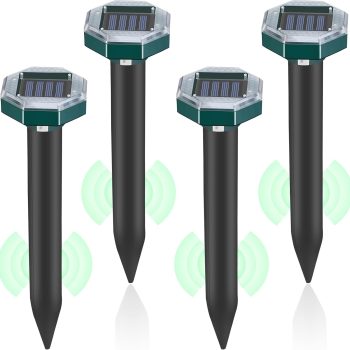
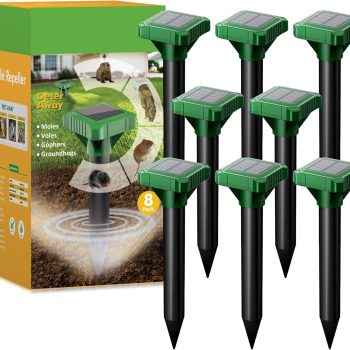


Solar Groundhog Repellent
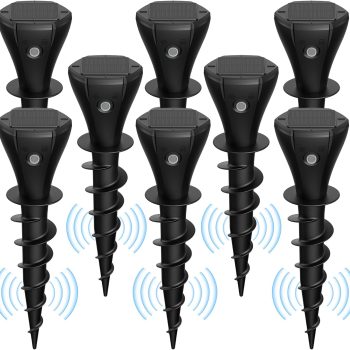
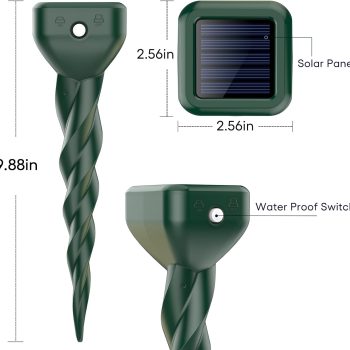
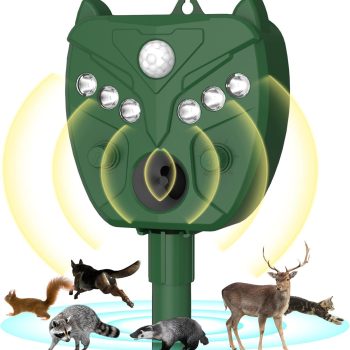
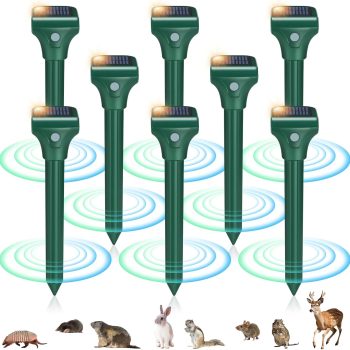
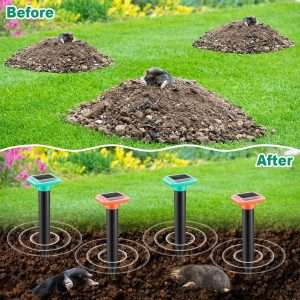
Mole Repellent Solar Powered 8 Pack, Ultrasonic Gopher Repeller IP65 Waterproof, Repels Moles
Identify Groundhog Activity
To deter groundhogs from your garden, identify their activity and presence. Groundhogs, also known as woodchucks, are notorious for raiding gardens, especially during the growing season. Look for signs such as burrows, which usually appear as holes about 4 to 6 inches wide. You may also notice damaged plants with chewed leaves or missing produce. Groundhog droppings, which resemble dark, rounded pellets, can also indicate their nearby activity. By recognizing these signs early, you can take proactive steps to protect your garden.
Create Physical Barriers
After confirming groundhog activity:
Focus on creating physical barriers that prevent them from accessing your garden.
Start by installing a sturdy fence around the perimeter.
Ensure the fence stands at least three feet tall and bury it 12 inches underground to stop groundhogs from digging underneath. This robust barrier will deter many groundhogs from entering your gardening space.
In addition to fencing, consider using raised garden beds. Raised beds make reaching the plants more challenging for groundhogs while providing better drainage and soil quality. If you have tender seedlings, cover them with protective mesh or row covers until they establish themselves. These protective measures ensure that young plants remain safe from hungry groundhogs while allowing sunlight and moisture to reach them.
Employ Repellents and Traps
Use repellents and traps to enhance your defense if groundhogs continue to invade your garden despite your preventive efforts. When sprinkled around your plants, natural repellents like garlic powder or cayenne pepper can deter groundhogs. These aromatic substances create an unpleasant environment that encourages them to move on.
Additionally, consider setting live traps near burrows or active feeding areas. Bait the traps with fresh fruits or vegetables, such as apples or carrots, to attract groundhogs. Regularly check the traps to ensure captured animals receive prompt attention. Once you capture a groundhog, relocate it five miles away to prevent its return. By combining physical barriers, natural repellents, and effective trapping techniques, you can successfully deter groundhogs from invading your garden and protect your plants from destruction.