
How To Get A Groundhog Out Of Its Hole
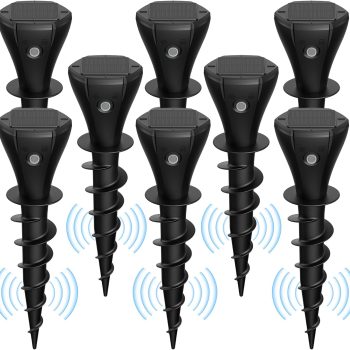
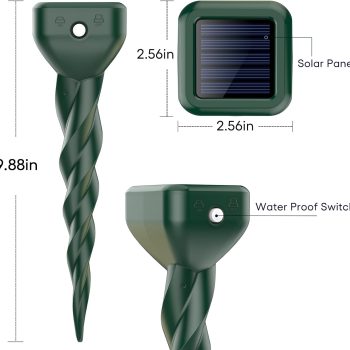
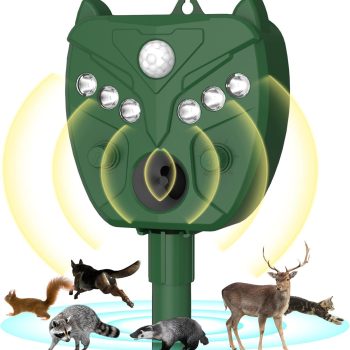
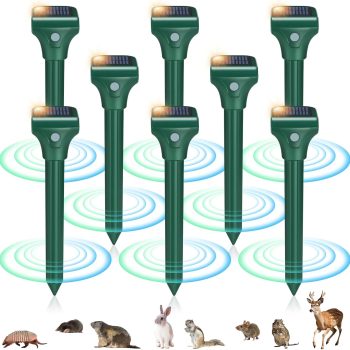
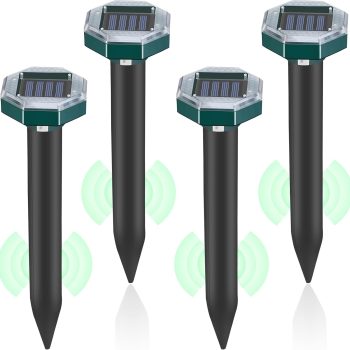
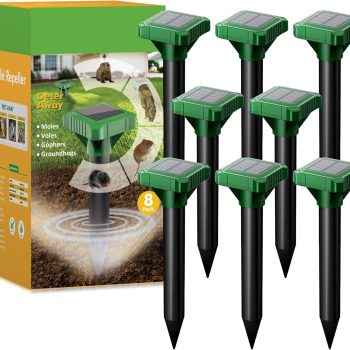
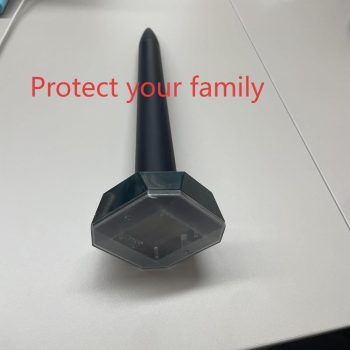


Solar Groundhog Repellent
Mole Repellent Solar Powered 8 Pack, Ultrasonic Gopher Repeller IP65 Waterproof, Repels Moles
Understand Groundhog Behavior
To effectively get a groundhog out of its hole, start by understanding its behavior and habits. Groundhogs, also known as woodchucks, create burrows that feel safe from predators and harsh weather. These caves usually have multiple entrances and serve as homes for food storage and breeding. Typically, groundhogs are most active during the day, especially in the early morning and late afternoon. By observing their patterns, you can time your efforts to encourage them to leave their burrow.

How To Get A Groundhog Out Of Its Hole: Use Gentle Deterrents
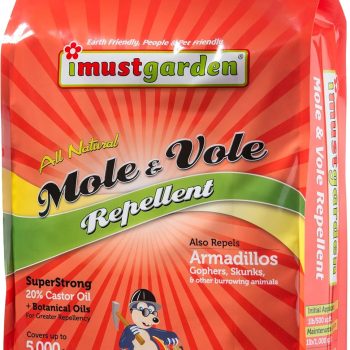
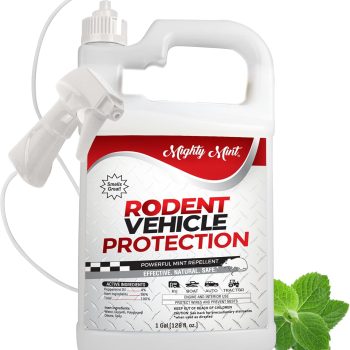
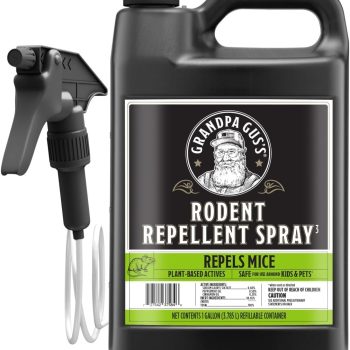
Once you recognize groundhog behavior, apply gentle deterrents to persuade the animal to exit its hole. Begin by making the area around the burrow less appealing. Natural repellents like garlic powder, cayenne pepper, or peppermint oil around the entrance can be used. The strong scents from these substances will deter groundhogs and prompt them to seek a more comfortable environment.
Additionally, consider making noise near the burrow. For instance, shaking a can filled with pebbles or lightly tapping on nearby objects can produce sounds that encourage curiosity or unease. Another effective method involves using motion-activated sprinklers. These devices release bursts of water when they detect movement, startling the groundhog and enabling it to leave. Position the sprinkler strategically to ensure proper coverage around the burrow entrance.
Employ Live Trapping
If gentle deterrents fail to coax the groundhog out, consider employing live trapping as a more direct solution. Select a humane trap large enough for the groundhog and place it near the burrow’s entrance. Bait the trap with enticing foods like fruits, vegetables, or peanut butter to draw the groundhog in. Once you successfully capture the animal, relocate it five miles away from your property to prevent its return.
Before closing the burrow entrance, check local wildlife capture and relocation laws. After relocating the groundhog, fill the hole with soil to discourage future inhabitants. By understanding groundhog behavior and using effective strategies, you can successfully encourage a groundhog to vacate its hole without causing harm.