
How To Get Rid Of A Groundhog In Your Backyard
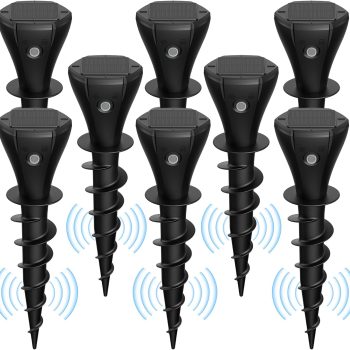
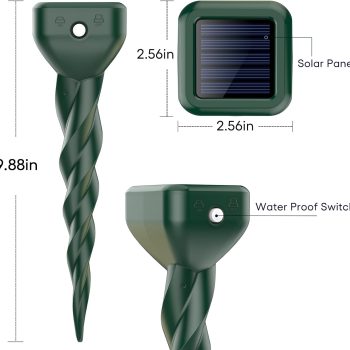
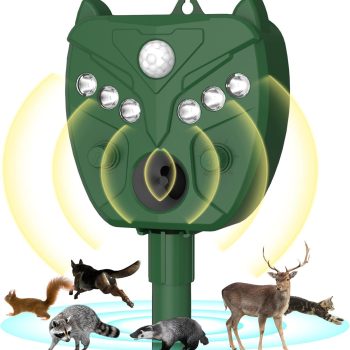
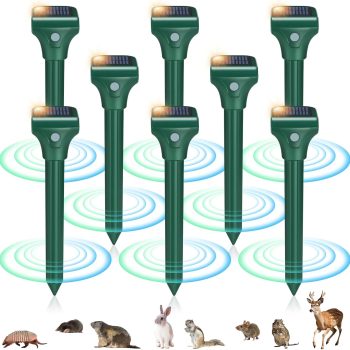
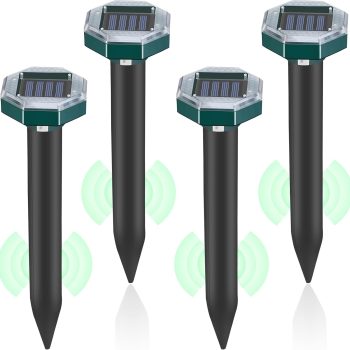
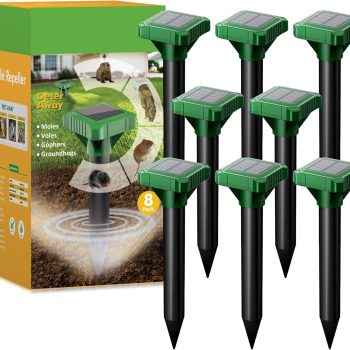


Solar Groundhog Repellent
Mole Repellent Solar Powered 8 Pack, Ultrasonic Gopher Repeller IP65 Waterproof, Repels Moles
How To Get Rid Of A Groundhog In Your Backyard: Identify Groundhog Activity
To get rid of a groundhog in your backyard, start by identifying signs of its presence. Groundhogs, or woodchucks, typically create burrows in grassy areas or gardens. Look for holes about 4 to 6 inches wide, which indicate where the groundhog has been digging. You might also notice fresh droppings resembling dark, rounded pellets scattered near the burrow. Check for signs of damage to your plants, including chewed leaves or missing vegetables. Observe their activity, as groundhogs are most active during the day, particularly in the early morning and late afternoon. Recognizing these signs will help you confirm the presence of a groundhog and determine your next steps.
Implement Preventive Strategies
Once you confirm that a groundhog occupies your backyard, implement preventive strategies to deter it from returning. Start by installing a sturdy fence around your garden or yard. Ensure the wall stands at least three feet tall and buries the bottom 12 inches underground to prevent the groundhog from digging underneath. This simple but effective barrier can significantly reduce access to your plants.
In addition to fencing, remove any potential food sources that might attract groundhogs. Regularly pick up fallen fruits and vegetables and keep your garden tidy. Consider planting strong-smelling herbs like mint or lavender, as these can repel groundhogs with their potent fragrances. Also, avoid planting clover or dandelions near your garden, as these plants attract groundhogs.
Use Trapping and Relocation Techniques
If the groundhog continues to invade your backyard despite your preventive efforts, use trapping as a more direct approach. Set a live trap near the burrow entrance, baiting it with fresh produce such as apples, carrots, or peanut butter. Ensure the trap sits level with the ground for easy access. Check the trap daily to prevent stress on the captured animal.
Once you successfully capture the groundhog, relocate it five miles from your property to ensure it doesn’t return. Familiarize yourself with local wildlife capture and relocation laws to ensure you act responsibly. By combining preventive strategies and effective trapping techniques, you can successfully remove a groundhog in your backyard and protect your plants from further damage.