
How To Keep Groundhogs Out Of Your Garden
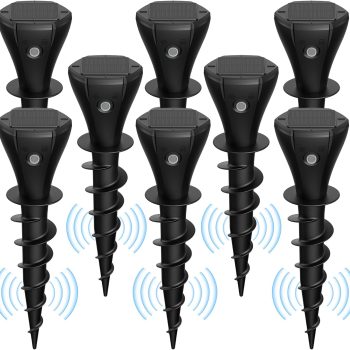
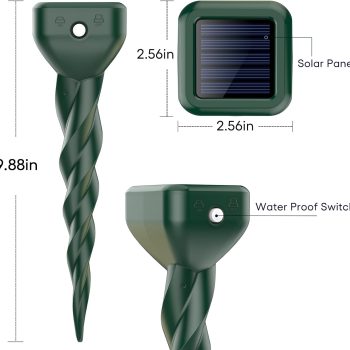
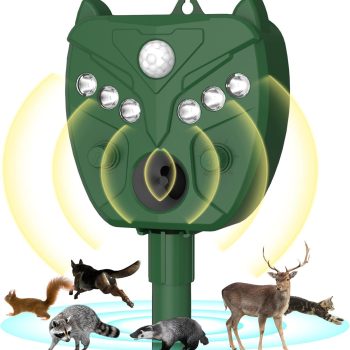
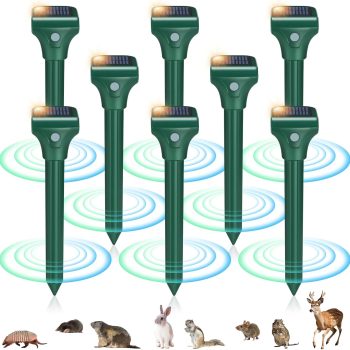
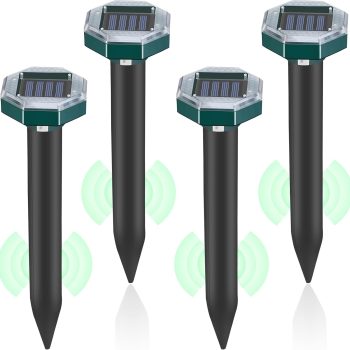
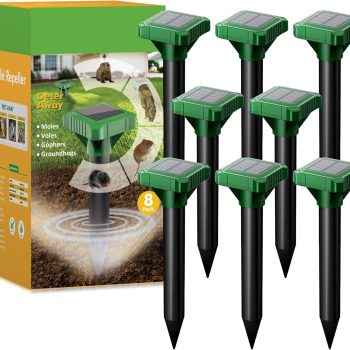




Solar Groundhog Repellent
Mole Repellent Solar Powered 8 Pack, Ultrasonic Gopher Repeller IP65 Waterproof, Repels Moles
Understanding Groundhog Behavior
To effectively keep groundhogs out of your garden, start by understanding their behavior and feeding habits. Groundhogs, or woodchucks, are herbivores that primarily feast on vegetables, fruits, and flowers, making gardens particularly appealing to them. These creatures are most active during the early morning and late afternoon, so knowing when they venture out helps you plan your deterrent strategies. Additionally, groundhogs dig extensive burrows, often creating homes near food sources. Recognizing these patterns allows you to implement proactive measures to protect your garden.
Utilizing Natural Deterrents
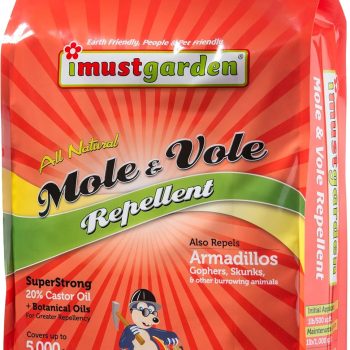
One effective method to deter groundhogs is to use natural repellents. Strong scents can make your garden less inviting for these critters. For example, mixing crushed garlic or hot pepper flakes with water and spraying this mixture around your garden will create an unpleasant aroma that groundhogs dislike. Moreover, castor oil acts as a powerful repellent. Soaking cotton balls in castor oil and placing them around the perimeter of your garden can further deter groundhogs from entering.
In addition to these sprays, consider planting certain herbs and flowers that groundhogs tend to avoid. Strong-smelling plants like mint, lavender, and marigolds can create an unwelcoming atmosphere. By strategically placing these plants throughout your garden, you both enhance its beauty and ward off unwanted visitors.

Installing Physical Barriers
Alongside natural deterrents, installing physical barriers serves as a crucial defense against groundhogs. Start by erecting a sturdy fence around your garden. Ensure the fence stands at least three feet tall and extends one foot underground to prevent groundhogs from burrowing underneath. Materials such as welded wire or hardware cloth provide the strength needed to withstand groundhog attempts to chew through.
Moreover, maintaining a tidy garden can help reduce groundhog access. Regularly trim overgrown plants and remove debris that can offer hiding spots. By keeping your garden organized and free of clutter, you discourage groundhogs from approaching and establish a welcoming environment for your plants.
By understanding groundhog behavior, utilizing natural deterrents, and installing physical barriers, you can effectively keep groundhogs out of your garden. Stay proactive and regularly monitor your garden to ensure it remains a thriving sanctuary for your plants.