
How To Stop A Groundhogs From Eating Your Garden
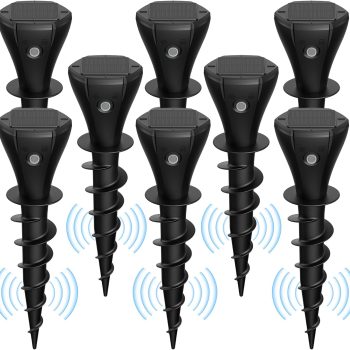
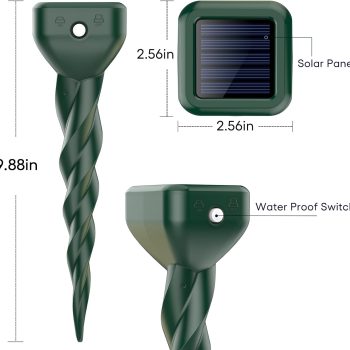
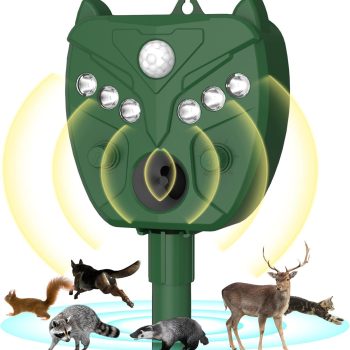
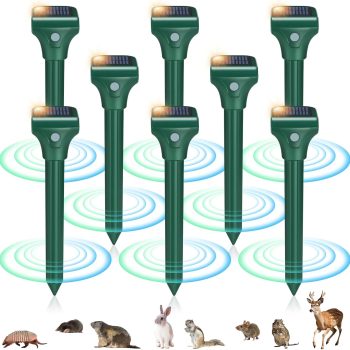
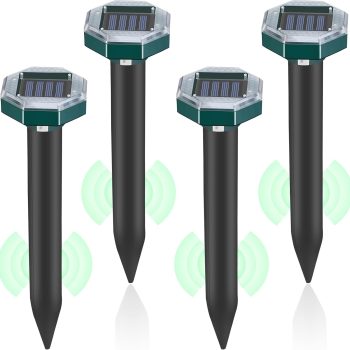
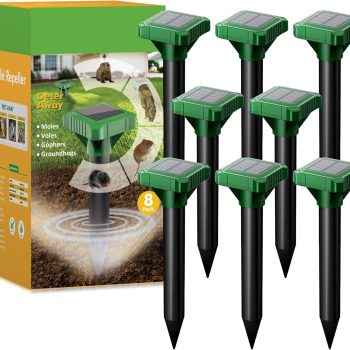


Solar Groundhog Repellent
Mole Repellent Solar Powered 8 Pack, Ultrasonic Gopher Repeller IP65 Waterproof, Repels Moles
Understanding Groundhog Feeding Habits
Groundhogs are notorious for munching on a variety of plants in gardens, including vegetables, fruits, and flowers. They are herbivores with a diet that consists mainly of leafy greens, making your garden a prime target. To stop groundhogs from eating your plants, it’s essential to first understand their feeding habits. They typically feed early in the morning or late in the afternoon. Recognizing this behavior will help you take timely measures to protect your garden from these pesky visitors.
How To Stop A Groundhogs From Eating Your Garden:
Installing Effective Fencing
One of the most reliable ways to stop groundhogs from eating your garden is by installing a strong, effective fence. Groundhogs are excellent diggers, so when constructing the fence, bury it at least 12 inches below ground level to prevent them from digging underneath. Additionally, the fence should be at least 3 feet tall, with an outward bend at the top to discourage climbing. Mesh wire or hardware cloth are ideal materials to use. Although it requires some initial effort, a well-installed fence creates a physical barrier that keeps groundhogs away from your plants.
Utilizing Natural Deterrents
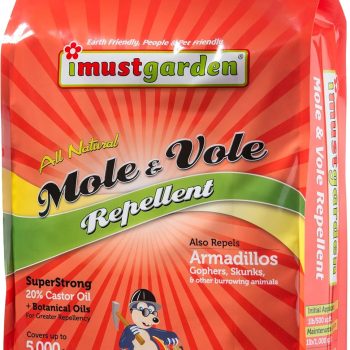
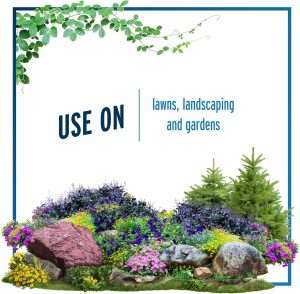
Besides fencing, natural deterrents can help protect your garden. Groundhogs dislike strong odors and certain plants, which makes these elements effective repellents. Sprinkling substances like crushed garlic, hot pepper flakes, or castor oil around the perimeter of your garden can deter groundhogs from venturing near your plants. Planting herbs such as mint, lavender, or rosemary around the edges of your garden also helps. These scents overwhelm groundhogs’ sensitive noses and encourage them to stay away. Additionally, using motion-activated sprinklers or lights can startle groundhogs when they approach your garden, further discouraging their visits.
By understanding groundhog feeding habits, installing fencing, and utilizing natural deterrents, you can effectively stop these animals from eating your garden. With persistence and the right combination of preventive methods, you’ll safeguard your plants from groundhogs and enjoy a flourishing, groundhog-free garden.