
How To Stop Groundhogs From Eating Flowers
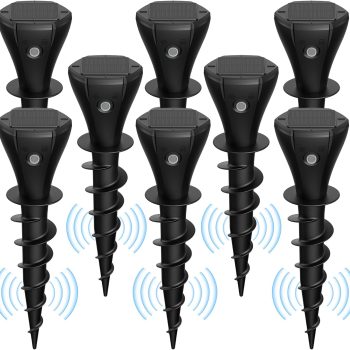
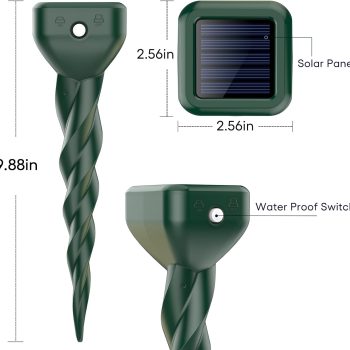
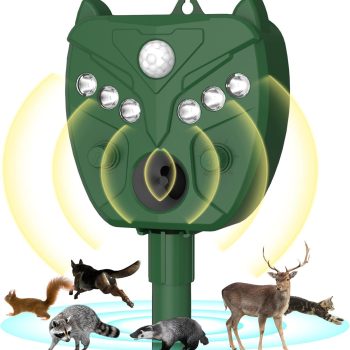
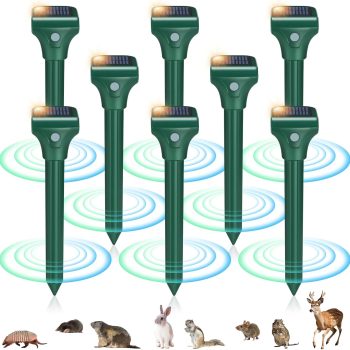
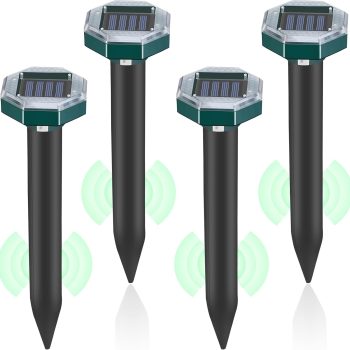
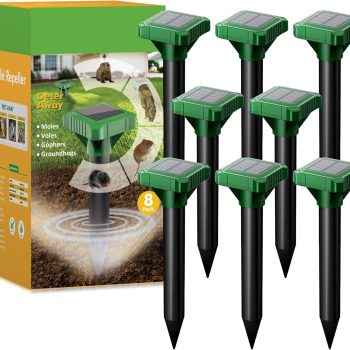


Solar Groundhog Repellent
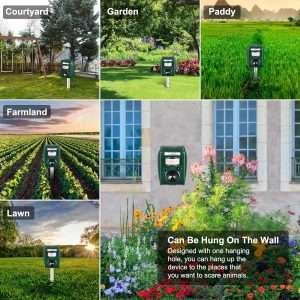
Mole Repellent Solar Powered 8 Pack, Ultrasonic Gopher Repeller IP65 Waterproof, Repels Moles
Understanding Why Groundhogs Eat Flowers
Groundhogs are herbivores, and your garden of flowers presents an appealing buffet. These creatures are especially drawn to brightly colored, fragrant plants, making flowers an easy target. Groundhogs usually feed daily, munching on your garden’s blooms and stems. Recognizing their feeding habits and favorite plants helps develop strategies to protect your flowers. The first step is identifying which parts of your garden are the most affected, allowing you to focus on problem areas.
Installing Protective Barriers
Installing barriers around your garden is one of the most effective ways to stop groundhogs from eating your flowers. Groundhogs are skilled diggers, so you need a fence that extends underground. Burying the wall at least 12 inches deep will help prevent them from tunneling under it. Additionally, the wall should be about 3 feet tall and bent outward at the top to keep them from climbing over. Wire mesh or hardware cloth with small openings works best for this purpose. Surrounding your garden beds or individual flower patches with these protective barriers can significantly reduce groundhog access.
Using Natural Repellents and Deterrents
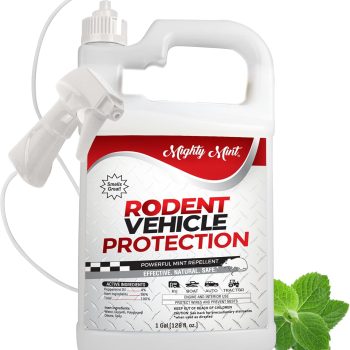
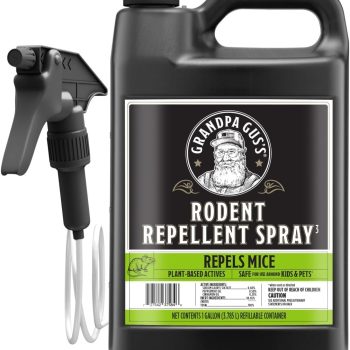
Applying natural repellents and barriers can deter groundhogs from eating your flowers. Groundhogs dislike strong scents, so sprinkling substances like garlic powder, cayenne pepper, or crushed pepper flakes around your garden may repel them. Another effective option is to plant strong-scented herbs such as lavender, mint, or marigolds, which groundhogs tend to avoid. Additionally, motion-activated sprinklers can be a great tool, as the sudden burst of water will scare groundhogs away without harming them.