
Keeping Groundhogs Out Of Vegetable Garden
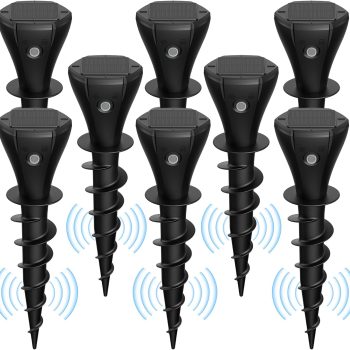
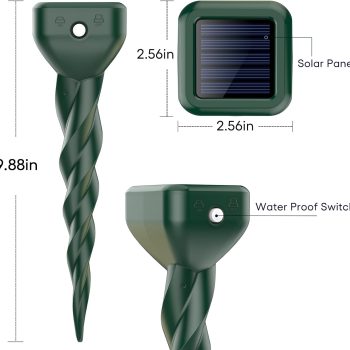
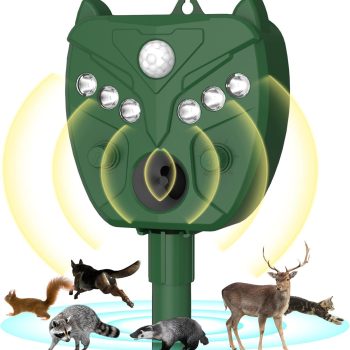
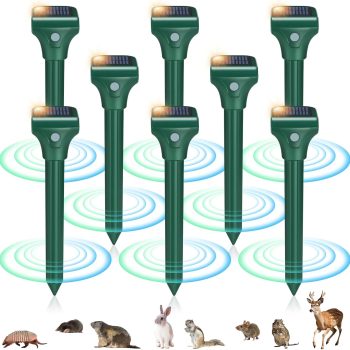
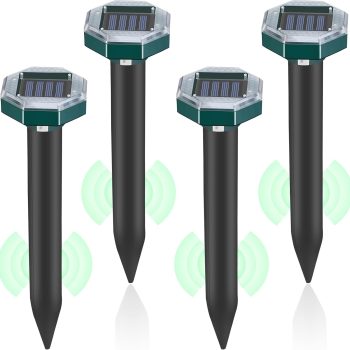
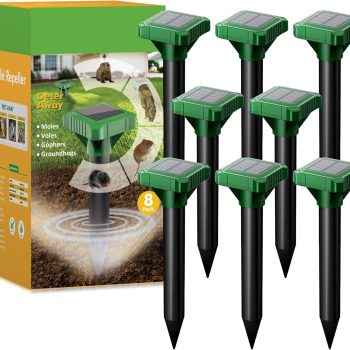
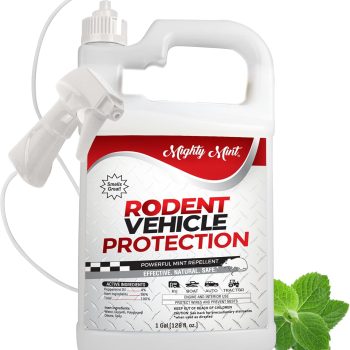
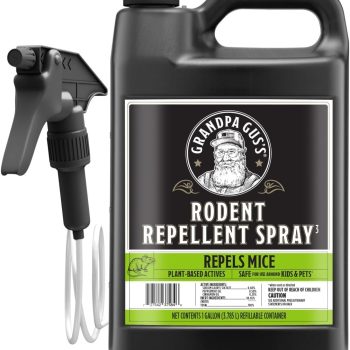


Solar Groundhog Repellent
Mole Repellent Solar Powered 8 Pack, Ultrasonic Gopher Repeller IP65 Waterproof, Repels Moles
Identifying Groundhog Activity
You must first identify signs of their activity to keep groundhogs out of your vegetable garden. Groundhogs are notorious for feasting on various vegetables, including lettuce, carrots, and tomatoes. Look for fresh chew marks on your plants or damaged foliage, which indicate their presence. Additionally, you may notice burrows near the garden as groundhogs dig extensive tunnel systems. By recognizing these signs early, you can take action before they cause significant damage to your precious crops.
Installing Effective Barriers
Installing practical barriers is one of the most reliable methods for keeping groundhogs out of your vegetable garden. A sturdy fence provides a strong line of defense. Choose a fence material like hardware cloth or welded wire fencing, ensuring it stands at least 3 feet tall. Moreover, bury the bottom of the fence at least 12 inches underground to deter groundhogs from digging underneath. To further enhance the fence’s effectiveness, angle the top outward, making it more challenging for them to climb over. By taking these steps, you significantly reduce the likelihood of groundhogs accessing your vegetable garden.
Utilizing Repellents and Deterrents
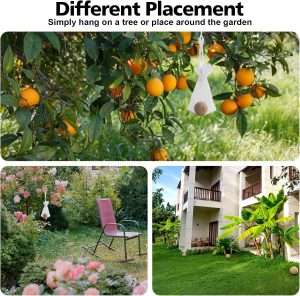
In addition to physical barriers, repellents, and deterrents can enhance your efforts to keep groundhogs out. Strong scents tend to repel these rodents effectively. Consider sprinkling cayenne pepper, crushed garlic, or peppermint oil around the perimeter of your garden. These odors create an unpleasant environment that discourages groundhogs from entering. Furthermore, consider planting herbs like mint, marigolds, or lavender, which emit scents that groundhogs dislike. You can also use motion-activated devices, such as sprinklers or noise-making gadgets, to startle them and deter their approach.
You can successfully keep groundhogs out of your vegetable garden by identifying groundhog activity, installing practical barriers, and utilizing repellents. Combining these strategies creates a protective environment for your crops, allowing them to thrive without the threat of damage from these persistent pests.